Why does mold grow in a basement?
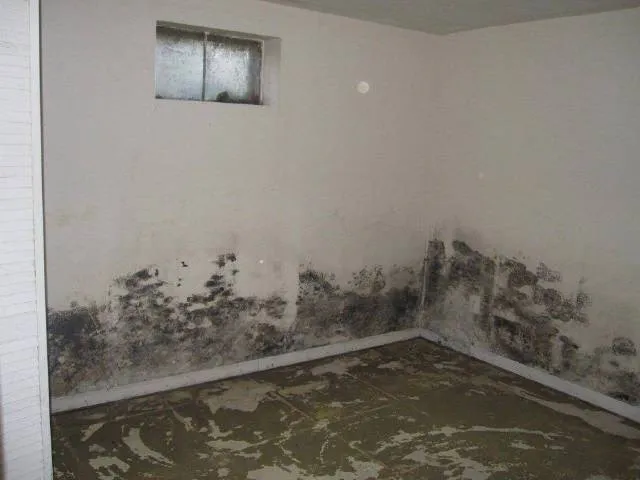
Mold grows where there is moisture. EPA says none of the many types of mold will grow without water. Homeowners often find it in basements. Fix the water source, or the mold comes back.
EPA says to dry wet or damp materials within 24 to 48 hours of a leak or spill. In most cases, mold will not grow if you do. Past that window, it can. The City of St. Louis gives the same advice: clean within 24 to 48 hours.
Common moisture sources EPA names for a house:
- A leak or spill that was never dried.
- Water collecting around the foundation, when the ground does not slope away from the building.
- Clogged or broken roof gutters.
- High indoor humidity. EPA suggests keeping it below 60 percent, ideally between 30 and 50 percent.
- Condensation on cold surfaces such as cold water pipes.
This page does not claim a cause for your basement in particular. Finding that cause is the first job, and it often takes a site visit. Our guide on mold after water damage covers flood and leak cleanup in more detail.
How do I know if the mold is more than 10 square feet?
Measure the patch you can see. About 10 square feet is roughly a 3 ft. by 3 ft. square. EPA says a smaller area is often a do-it-yourself job. A bigger area, or a lot of water damage, is where EPA points you to professional guidance.
Visible mold may not be all of it. EPA says hidden mold can sit on the back of drywall, wallpaper or paneling, under carpet and pads, and inside walls around leaking pipes. A musty smell with nothing in sight is a clue. If you suspect hidden mold, consider an experienced professional.
| Situation in your basement | EPA’s direction |
|---|---|
| Patch under about 10 sq ft, dry source | Often a do-it-yourself job with EPA’s guidelines |
| Patch over 10 sq ft | Consult EPA’s larger-building guidance; consider a professional |
| A lot of water damage | Consult EPA’s larger-building guidance; consider a professional |
| Sewage or other contaminated water | Call a professional with experience in contaminated water |
| You suspect HVAC contamination | Do not run the system; follow EPA’s duct guidance |
| Musty smell, nothing visible | Suspect hidden mold; consider an experienced professional |
For the size rule in depth, read mold over 10 square feet. For a visit that finds the spread and the source, see mold inspection.
What do I do in the first 48 hours?
Stop the water, then dry everything. EPA and the City both say to dry or clean within 24 to 48 hours. Open doors and windows and use fans, as the City advises. Remove wet items you cannot dry. Then fix the leak or moisture source.
Use this order:
- Stop the source. Fix the leak or stop the standing water.
- Dry the area. The City says to open doors and windows and use fans.
- Sort the contents. Throw away porous items that stayed wet over 48 hours and cannot be cleaned and dried.
- Clean hard surfaces. EPA says to scrub mold off hard surfaces with detergent and water and dry them completely. The City says to use a stiff brush on rough surfaces such as concrete.
- Fix the cause before you repair or paint.
Do not paint or caulk moldy surfaces. EPA says to clean up the mold and dry the surface first. If the water came from sewage, stop and call a professional.
Which basement materials can be cleaned and which must go?
Hard, non-porous surfaces can usually be cleaned. Porous, absorbent materials often cannot. EPA says ceiling tiles and carpet may have to be thrown away if they become moldy, because mold fills their empty spaces. The City adds drywall, insulation, paper and wood to its list of items to consider removing.
| Material | Usual call |
|---|---|
| Concrete floor and block walls | Clean with a stiff brush and detergent, then dry |
| Carpet and carpet pad | Often removed if wet over 48 hours |
| Drywall and ceiling tiles | Often removed if moldy or wet over 48 hours |
| Insulation | Often removed if wet over 48 hours |
| Paper and paper goods | Often thrown away |
| Wood framing | Judge case by case with a professional |
The City lists carpeting, carpet padding, drywall, floor and ceiling tiles, insulation material, wood and paper among the items it may be best to remove after more than 48 hours of wetness. These are guidance, not a rule for your house. A professional can judge each item.
AES handles the heavier version of this work. See home mold removal for what AES says about mold in houses, and mold remediation for the service. Terms: mold remediation, mold spores and containment.
What about mold in the bathroom?
Bathroom mold is usually a ventilation and cleaning problem. EPA says that if it keeps reappearing, more ventilation and more frequent cleaning will usually prevent it, or at least keep it to a minimum. Run the fan or open a window when you shower.
EPA also says to cover cold water pipes with insulation to stop condensation, and to keep humidity in check. If mold covers a ceiling, wall or floor beyond a small patch, or if a leak sits behind the wall, treat it like the basement case above. Check the table for the 10 square foot line.
What about mold in the attic?
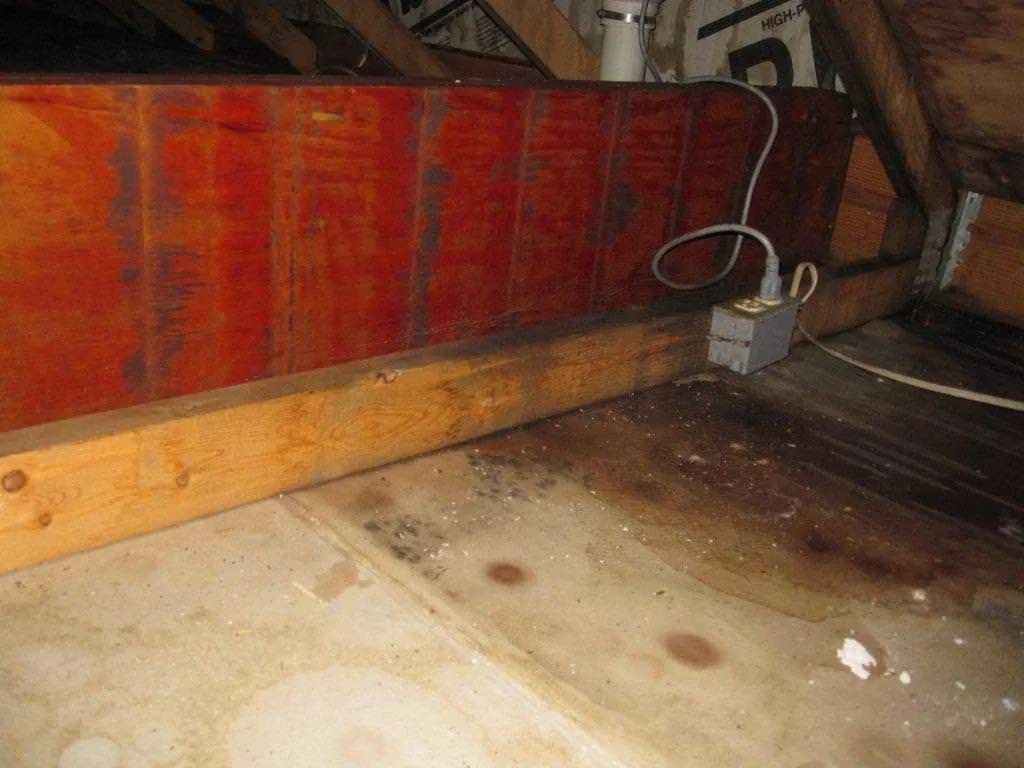
Attic mold points to moisture from above or from trapped air. EPA names roof materials above ceiling tiles as a place for hidden mold, due to roof leaks or insufficient insulation. A stained ceiling below, or a musty smell upstairs, are common clues.
EPA’s other moisture advice applies too: clean and repair roof gutters, and dry wet materials within 24 to 48 hours. Beyond that, we will not guess about attic ventilation or roofing. Those depend on your roof, and a person needs to see it.
Before you disturb old attic insulation, read our guide on asbestos in older St. Louis homes. It covers vermiculite attic insulation.
How do I stop mold from coming back?
Fix the water problem. EPA says that if you clean up mold but do not fix the water problem, the mold will most likely return. Cleanup is not finished until the moisture problem is completely fixed. Control humidity and watch for new damp spots.
Habits that help, in EPA’s words:
- Keep indoor humidity below 60 percent, ideally 30 to 50 percent.
- Run the bathroom fan or open a window when showering.
- Clean and repair gutters, and keep the ground sloping away from the foundation.
- Insulate cold water pipes.
- Dry any new leak within 24 to 48 hours.
AES offers moisture barriers as one of its services. Learn the term: moisture barrier. A barrier is a tool, not a cure for a leak. Find the source first.
When should I call a professional?
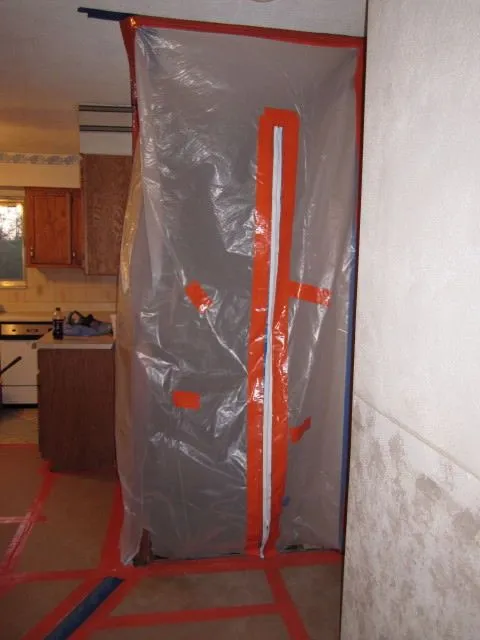
Call when the growth is large, hidden, or tied to heavy water damage, sewage or your HVAC system. Also call if someone in the home has health concerns. EPA says to consult a health professional before cleaning if you have health concerns. A pro finds the source and contains the work.
Check how a company will contain the area and whether it will test the result. EPA says surface sampling may be useful to judge whether an area was adequately cleaned, and that the people who sample should have experience. See the difference between terms in mold remediation vs. mold removal, and read about black mold.
For cost factors, see the mold remediation cost and timeline guide. AES quotes each job and does not publish a price here.
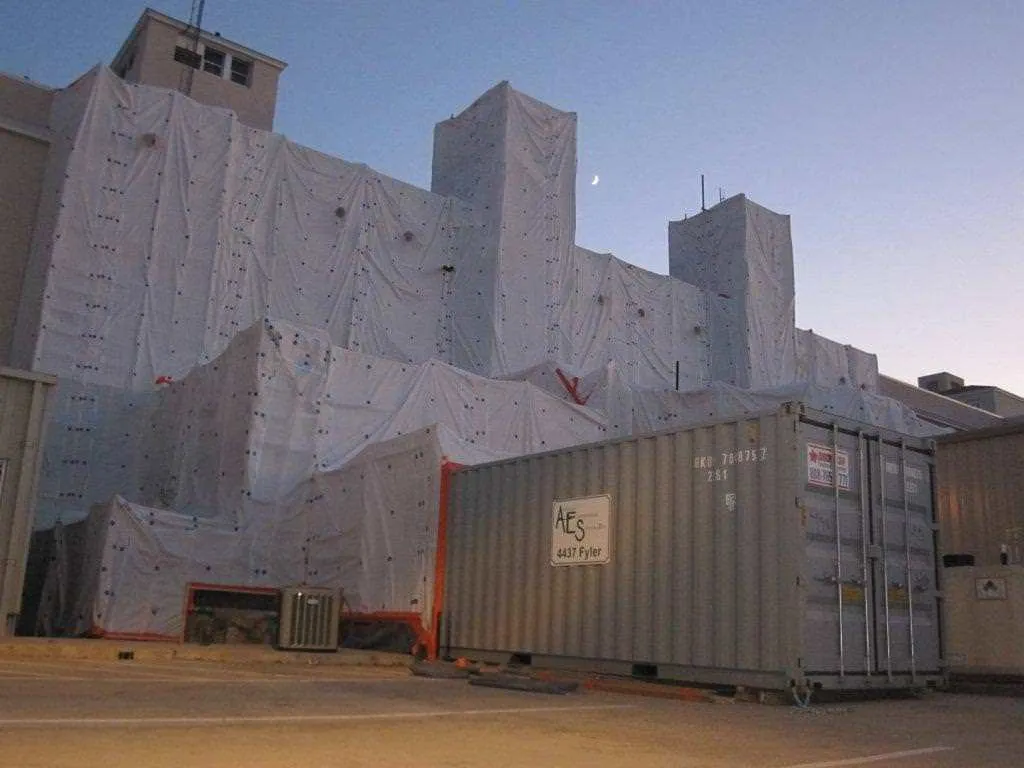
Advanced Environmental Services, Inc. (AES) serves residential, commercial, industrial, governmental and healthcare customers from 3100 Gravois Ave in St. Louis. Its work includes mold remediation. The service area is St. Louis and projects within 300 miles.
Next step
Learn about our mold remediation service, or call (314) 865-2662 to talk about your basement, bathroom or attic. You can also send the details through our quote form. Tell us the room, the size of the area and how it got wet.
Frequently asked questions
Can I clean mold in my basement myself?
EPA says that if the moldy area is less than about 10 square feet, roughly a 3 ft. by 3 ft. patch, you can often handle it yourself using its guidelines. If there has been a lot of water damage or the growth covers more than 10 square feet, EPA says to consult its larger-building guidance. Sewage water needs a professional.
How do I know if basement mold is more than 10 square feet?
Measure the visible growth, then check for hidden mold. EPA says hidden mold can sit behind drywall, wallpaper, paneling, under carpet pads and inside walls around leaking pipes. A smell with no visible source is a clue. If you suspect hidden mold, consider an experienced professional. AES offers mold inspection.
Do I need a mold test?
Usually not for visible mold. EPA says that in most cases, if visible mold growth is present, sampling is unnecessary, and no federal limits exist for mold or spores. Sampling can help judge whether a cleanup worked. Professionals with sampling experience should do it. Ask AES about a mold inspection.
Why does mold keep coming back in my bathroom?
Bathrooms stay damp. EPA says that if mold in the shower or elsewhere in the bathroom keeps reappearing, more ventilation (a fan or an open window) and more frequent cleaning will usually prevent it, or at least keep it to a minimum. Running the fan while showering is the core habit.
Can mold grow in an attic?
Yes, where there is moisture. EPA lists roof materials above ceiling tiles as a place for hidden mold, due to roof leaks or insufficient insulation. A musty smell upstairs or stains on the ceiling below are clues. Do not guess. Have the roof leak or moisture source found and fixed.
How do I get a quote?
Call (314) 865-2662 or use the quote form on our contact page at /contact. Tell us the room, the size of the affected area, how it got wet and when. AES quotes each job. Photos and a site visit help the quote match your home.
Terms on this page
Sources
- US EPA: A Brief Guide to Mold, Moisture and Your Home, moisture control
- US EPA: A Brief Guide to Mold, Moisture and Your Home, water
- US EPA: A Brief Guide to Mold, Moisture and Your Home, cleanup and the cause
- US EPA: A Brief Guide to Mold, Moisture and Your Home, 10 square feet
- US EPA: A Brief Guide to Mold, Moisture and Your Home, large damage
- US EPA: A Brief Guide to Mold, Moisture and Your Home, contaminated water
- US EPA: A Brief Guide to Mold, Moisture and Your Home, 24 to 48 hours
- US EPA: A Brief Guide to Mold, Moisture and Your Home, grading
- US EPA: A Brief Guide to Mold, Moisture and Your Home, gutters
- US EPA: A Brief Guide to Mold, Moisture and Your Home, humidity
- US EPA: A Brief Guide to Mold, Moisture and Your Home, cold pipes
- US EPA: A Brief Guide to Mold, Moisture and Your Home, bathroom
- US EPA: A Brief Guide to Mold, Moisture and Your Home, bathroom tip
- US EPA: A Brief Guide to Mold, Moisture and Your Home, hidden mold
- US EPA: A Brief Guide to Mold, Moisture and Your Home, sampling
- US EPA: A Brief Guide to Mold, Moisture and Your Home, porous materials
- US EPA: A Brief Guide to Mold, Moisture and Your Home, painting
- US EPA: A Brief Guide to Mold, Moisture and Your Home, finished cleanup
- City of St. Louis Health Department: Mold and Mold Remediation, timing
- City of St. Louis Health Department: Mold and Mold Remediation, porous items
- City of St. Louis Health Department: Mold and Mold Remediation, concrete
- City of St. Louis Health Department: Mold and Mold Remediation, water leaks
- US EPA: A Brief Guide to Mold, Moisture and Your Home, hard surfaces
- US EPA: A Brief Guide to Mold, Moisture and Your Home, HVAC
- US EPA: A Brief Guide to Mold, Moisture and Your Home, health concerns
- US EPA: A Brief Guide to Mold, Moisture and Your Home, cleanup check
- US EPA: A Brief Guide to Mold, Moisture and Your Home, hidden mold smell
- US EPA: A Brief Guide to Mold, Moisture and Your Home, hidden mold places
- City of St. Louis Health Department: Mold and Mold Remediation, drying
Checked against the sources above on November 6, 2026. Rules and fees change, so check the linked page before you act.