
What You Need to Know About PFAS and Their Impact on the Environment and Health
Per- and polyfluoroalkyl substances (PFAS) are a group of synthetic chemicals that have been used for decades in manufacturing, consumer products, and industrial applications. Known for their ability to resist heat, water, and oil, PFAS compounds are found in countless everyday items, from nonstick cookware and stain-resistant fabrics to firefighting foams and industrial coatings.
However, the same chemical properties that make PFAS so useful also make them dangerous. PFAS are highly persistent in the environment and the human body, leading to widespread PFAS contamination in soil, water, and air across the United States. At Advanced Environmental Services (AES), we help clients understand, identify, and address PFAS contamination through testing, treatment, and remediation solutions designed to protect both people and the environment.
To learn more about our PFAS testing, removal, and remediation services, contact our team online or by phone today.
What Is PFAS Contamination?
PFAS contamination occurs when these chemicals enter the environment through industrial discharges, wastewater treatment systems, landfills, or accidental spills. Once released, PFAS compounds migrate easily through soil and groundwater, often traveling far from their original source. Because they don’t break down naturally, PFAS accumulate over time, contaminating drinking water, agricultural land, and aquatic ecosystems.
Common sources of PFAS contamination include:
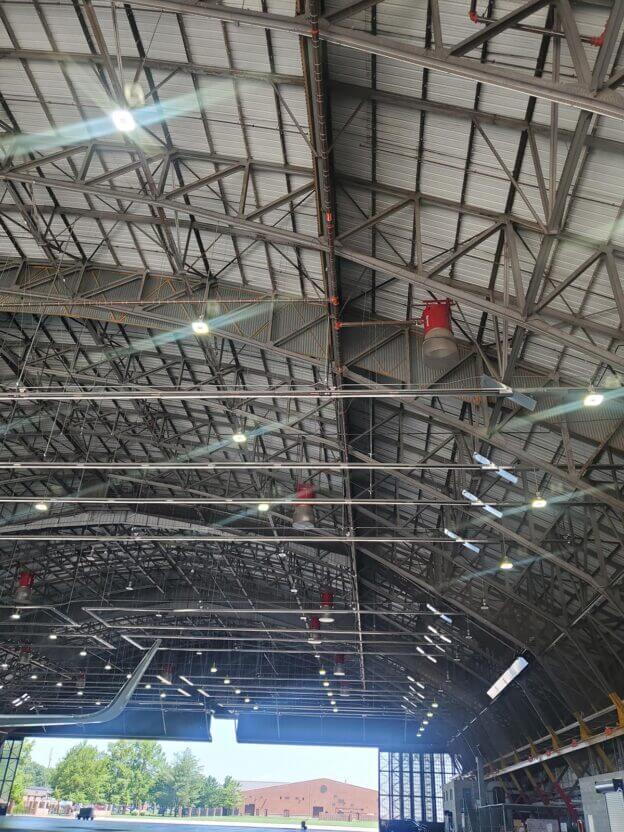
- Firefighting foam (AFFF) used at airports, military bases, and training facilities.
- Industrial manufacturing involving coatings, plating, or surfactants.
- Wastewater biosolids used in agricultural fields.
- Consumer product disposal and landfill leachate.
Learn more about what PFAS are.
The Dangers and Health Risks of PFAS Contamination
Extensive research has linked PFAS exposure to a range of adverse health effects. Because PFAS accumulate in the body, even small exposures over time can lead to long-term risks. Studies from the U.S. Environmental Protection Agency (EPA) and Centers for Disease Control and Prevention (CDC) have associated PFAS exposure with:
- Increased cholesterol levels
- Hormonal and immune system disruption
- Reduced fertility and developmental effects in infants
- Liver damage and thyroid disease
- Increased risk of certain cancers, including kidney and testicular cancer
For communities that rely on contaminated groundwater or private wells, PFAS contamination can become a serious public health issue. AES works with property owners, municipalities, and private facilities to identify contamination sources and implement effective PFAS cleanup and water treatment strategies.
Learn more about the health effects of PFAS.
PFAS Regulations and Compliance
Federal and state governments are rapidly establishing regulations to control PFAS emissions and contamination levels. In 2024, the EPA announced national drinking water standards for six PFAS compounds, including PFOA and PFOS, setting maximum contaminant levels (MCLs) in the parts-per-trillion range. Many states have introduced additional limits for soil and groundwater.
Compliance with these evolving standards requires regular PFAS testing and proactive management. AES stays ahead of new regulatory developments to ensure our clients meet all federal, state, and local requirements while maintaining environmental safety.
Learn more about PFAS regulations.
How PFAS Contaminate Drinking Water
Once PFAS enter the environment, they can migrate through soil into groundwater or surface water. Municipal water systems and private wells can then distribute contaminated water to homes, farms, and businesses. Because PFAS are resistant to conventional water treatment methods, specialized filtration systems, such as granular activated carbon, ion exchange, or reverse osmosis, are required to effectively remove them.
AES offers comprehensive PFAS water testing and treatment solutions to ensure safe, compliant water for residential, commercial, and industrial clients.
See our page on PFAS & Drinking Water for more details.
PFAS Treatment and Remediation Options
PFAS treatment typically involves advanced physical and chemical processes that separate or destroy contaminants. AES utilizes proven PFAS treatment technologies, including:
- Granular Activated Carbon (GAC) filtration for long-chain PFAS compounds.
- Ion Exchange (IX) Resins to capture a wide range of PFAS types.
- Reverse Osmosis (RO) for high-efficiency PFAS removal from water.
- Thermal and chemical destruction methods for soil and concentrated waste streams.
Each treatment plan is customized based on site-specific conditions, contamination levels, and regulatory requirements.
Why Choose AES for PFAS Contamination Services
Expertise and Experience
With decades of environmental remediation experience, AES has the technical expertise and field-tested knowledge to assess and treat PFAS contamination effectively.
Advanced Technology
As a leading PFAS remediation company, we use industry-leading equipment and treatment systems designed to deliver proven results for PFAS removal and remediation.
Regulatory Guidance
Our team stays current with evolving EPA and state-level PFAS regulations, ensuring every project is compliant from start to finish.
Comprehensive Services
From site investigation to long-term monitoring, AES provides complete, turnkey solutions to manage PFAS contamination in soil, water, and air.
Frequently Asked Questions About PFAS Contamination
Can PFAS contamination be completely eliminated?
While PFAS are highly persistent, modern treatment technologies can remove them from water and significantly reduce contamination in soil.
How can I tell if my property or water source is contaminated?
Professional testing is the only reliable way to detect PFAS. AES offers certified PFAS testing and analysis for residential, commercial, and municipal clients.
Who regulates PFAS contamination?
The U.S. Environmental Protection Agency (EPA) oversees national PFAS standards, while individual states may have additional regulations and guidelines.
Is PFAS contamination a liability for property owners?
Yes. PFAS contamination can create regulatory, financial, and reputational risks for businesses in a wide range of industries. Proactive testing and remediation help reduce exposure and liability. We have experience providing PFAS remediation services for all types of specialized industries.
Want to learn more?
Check out our PFAS FAQs page for answers to some of the most common PFAS questions.
Contact AES to Learn More About PFAS Contamination Treatment
If you suspect PFAS contamination on your property or in your water supply, act now to protect your health, business, and environment. AES provides expert PFAS testing, treatment, and remediation services to help you achieve compliance and peace of mind.
Contact Advanced Environmental Services today at (314) 865-2662 or reach out online to schedule a consultation and learn more about how we can help manage and remediate PFAS contamination.