As awareness of PFAS contamination grows, federal and state agencies across the United States are implementing strict new standards to limit exposure and protect human health. Understanding and complying with PFAS regulations is essential for municipalities, businesses, and industries that handle, discharge, or remediate PFAS compounds.
At Advanced Environmental Services, we help clients navigate this evolving regulatory landscape by providing expert PFAS testing, treatment, and compliance support. Our environmental specialists stay up to date with the latest federal and state PFAS regulations to help you meet environmental standards and minimize risk.
To learn more about PFAS contamination and our services, contact our team today.
Understanding PFAS Regulations
PFAS — short for per- and polyfluoroalkyl substances — are highly persistent chemicals that can accumulate in soil, groundwater, and the human body. Due to mounting evidence of their health risks, the Environmental Protection Agency (EPA) and individual states have established regulatory limits and compliance requirements for PFAS in drinking water, soil, and industrial discharge.
Key Federal PFAS Regulations
- EPA PFAS Drinking Water Standards (2024):In 2024, the EPA finalized national drinking water standards for six PFAS compounds, including PFOA and PFOS. The new rule sets Maximum Contaminant Levels (MCLs) at 4 parts per trillion (ppt) for both PFOA and PFOS, among the lowest regulatory limits ever established for any contaminant.
- EPA’s PFAS Strategic Roadmap (2021–2030):This long-term plan outlines the agency’s approach to regulating PFAS under existing environmental laws, including the Clean Water Act, Safe Drinking Water Act, and Resource Conservation and Recovery Act (RCRA). The roadmap includes new testing requirements, cleanup standards, and chemical reporting rules.
- Toxic Substances Control Act (TSCA) Reporting Rule:The EPA now requires manufacturers and importers to report PFAS production and usage data to improve public understanding of exposure risks.
- Comprehensive Environmental Response, Compensation, and Liability Act (CERCLA):Proposed designations of PFOA and PFOS as hazardous substances will expand cleanup responsibilities and liability for contaminated sites.
State-Level PFAS Regulations
Many states, including Missouri and neighboring regions in the Midwest, have established their own PFAS regulations that supplement or exceed federal standards. These may include:
- State-specific drinking water limits for additional PFAS compounds.
- PFAS discharge limits for industrial and municipal wastewater treatment facilities.
- Cleanup thresholds for soil and groundwater contamination.
AES monitors all relevant state and local developments to ensure our clients remain in full compliance across jurisdictions.
How PFAS Regulations Affect Businesses and Industries
PFAS regulations impact a wide range of sectors, from manufacturing and waste management to agriculture and municipal operations. Facilities that handle PFAS-containing materials or produce industrial wastewater must now adhere to strict monitoring, testing, and reporting requirements.
Industries Commonly Affected by PFAS Regulations
- Manufacturing Facilities: Especially those involved in coatings, plating, or chemical production.
- Agricultural Operations: PFAS may enter soil and livestock through contaminated water or biosolids.
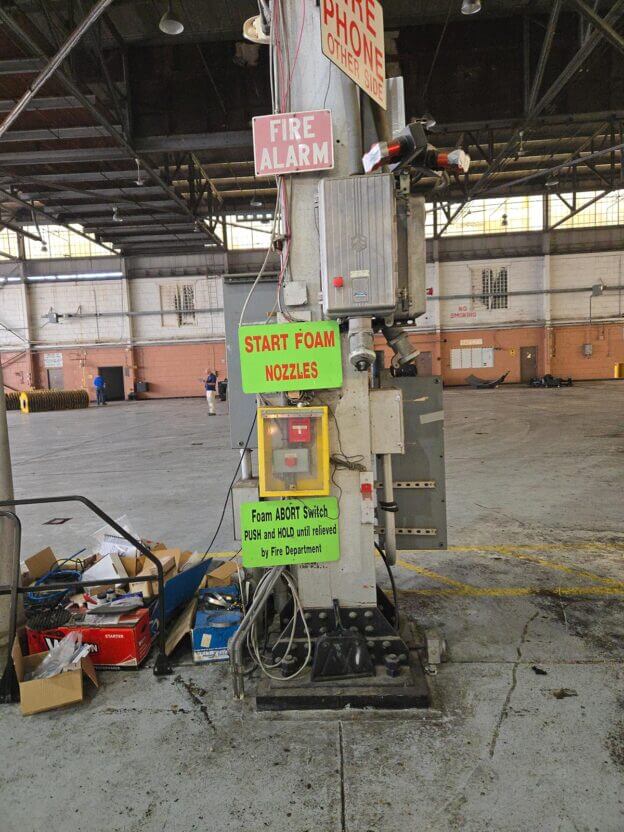
- Airports and Fire Departments: Firefighting foam (AFFF) releases are a significant source of PFAS contamination.
- Municipalities and Utilities: Public water systems are now required to conduct PFAS testing and implement treatment if contamination exceeds federal or state limits.
Failure to comply with PFAS regulations can result in fines, cleanup liabilities, and reputational damage. AES helps businesses implement proactive compliance programs that minimize these risks.
AES PFAS Compliance Services
AES provides a full range of services to help clients meet PFAS regulations, including:
- PFAS Testing for soil, groundwater, and drinking water.
- Regulatory Reporting and Documentation to meet EPA and state requirements.
- Treatment System Design and Installation using proven technologies like granular activated carbon (GAC), ion exchange (IX), and reverse osmosis (RO).
- PFAS Remediation and Waste Disposal Solutions for contaminated materials.
- Ongoing Monitoring and Maintenance to ensure sustained compliance and safety.
Our turnkey approach helps clients stay ahead of new PFAS standards and maintain operational continuity with confidence.
Frequently Asked Questions About PFAS Regulations
What are the new EPA PFAS drinking water standards?
The EPA’s 2024 rule limits PFOA and PFOS to 4 parts per trillion in drinking water and establishes health-based goals for additional PFAS compounds.
Do businesses need to test for PFAS?
Yes. Many industries, especially manufacturers and wastewater facilities, must perform regular PFAS testing and reporting to meet EPA or state requirements.
Are there penalties for noncompliance?
Failure to meet PFAS standards can result in significant fines, mandatory cleanup, and potential liability under federal and state laws.
How can AES help with compliance?
AES provides testing, reporting, and treatment solutions to help clients meet all regulatory requirements efficiently and cost-effectively.
Contact AES to Learn More About PFAS Regulations
Ensure your business or community remains in full compliance with evolving PFAS regulations. AES provides trusted expertise, advanced technology, and comprehensive environmental services to help you meet all standards with confidence.
Contact our environmental remediation company today at (314) 865-2662 or reach out online to schedule a consultation and learn more about our PFAS compliance and remediation services.