
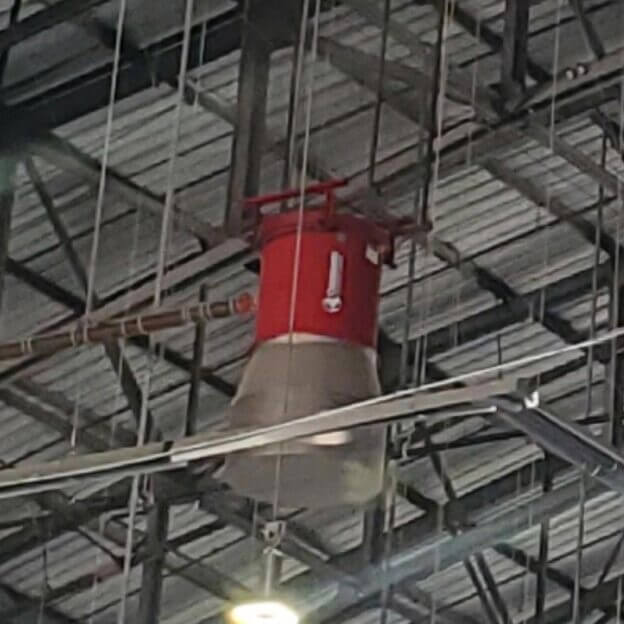
Airports and fire training facilities are critical for public safety and emergency preparedness, but they are also at higher risk for contamination from per- and polyfluoroalkyl substances (PFAS). Commonly found in aqueous film-forming foam (AFFF) and other firefighting materials, PFAS are highly persistent chemicals that resist natural degradation. Left unaddressed, PFAS can migrate into soil, groundwater, and nearby water sources, creating environmental and public health concerns.
Advanced Environmental Services provides specialized PFAS testing for airports and fire training facilities, offering accurate assessment, expert guidance, and actionable solutions to manage and mitigate PFAS contamination.
Contact us to learn more about our PFAS remediation services or get started working with our team on your project.
Understanding PFAS Contamination at Airports and Fire Training Sites
PFAS are widely used in AFFF, which is essential for suppressing flammable liquid fires during aviation emergencies and firefighter training exercises. While these foams are effective for safety, repeated use can result in PFAS accumulation in:
- Soil and sediment around training areas
- Stormwater and groundwater near hangars, runways, and training pads
- Water systems used on-site or downstream
Because PFAS do not naturally degrade, contamination can persist for decades, potentially impacting local water supplies, ecosystems, and regulatory compliance.
Comprehensive PFAS Testing for Airports and Fire Training Facilities
Advanced Environmental Services offers full-service PFAS testing for airports and related facilities, providing operators with the data needed to protect public safety and meet regulatory requirements.
Site Assessment and Sampling
We begin by conducting a thorough evaluation of the facility, including:
- Identifying potential PFAS sources and high-risk areas
- Sampling soil, surface water, stormwater runoff, and groundwater
- Evaluating historical records of AFFF use and training exercises
This PFAS assessment ensures that testing is targeted and comprehensive, capturing both current and legacy contamination.
Laboratory Analysis and Reporting
Samples collected from the site are analyzed using advanced laboratory methods to accurately detect and quantify PFAS compounds. Our analysis covers a broad spectrum of PFAS types, including long-chain and short-chain chemicals.
After testing, we provide detailed reports that include:
- PFAS concentration levels in soil, water, and sediments
- Risk assessment and potential environmental impact
- Recommendations for remediation, treatment, or containment strategies
Risk Management and Regulatory Compliance
PFAS testing is the first step in effective contamination management. Our team helps airports and fire training facilities comply with EPA and state regulations by:
- Documenting all testing and sampling activities
- Providing guidance on mitigation and treatment options
- Implementing monitoring programs to track PFAS over time
This comprehensive remediation approach ensures facilities maintain operational safety while reducing environmental and regulatory risk.
Why Choose Advanced Environmental Services?
Choosing the right partner for PFAS testing for airports and fire training facilities is critical. Advanced Environmental Services stands out because:
- Industry Expertise: We understand the unique challenges of aviation and fire training environments.
- Advanced Technology: Our sampling, testing, and reporting methods provide precise, actionable results.
- Regulatory Knowledge: We ensure all testing complies with EPA and state guidelines.
- Comprehensive Solutions: From assessment to monitoring, remediation guidance, and reporting, we provide end-to-end PFAS management.
FAQs About PFAS Testing for Airports and Fire Training Facilities
Why are airports and fire training facilities at higher risk for PFAS contamination?
The use of aqueous film-forming foam (AFFF) during emergency response and firefighter training can introduce PFAS into soil and water systems.
How is PFAS contamination detected at these facilities?
Testing involves targeted sampling of soil, stormwater, groundwater, and sediments, followed by laboratory analysis to quantify PFAS compounds.
Can PFAS contamination be remediated at airports?
Yes. Based on testing results, remediation may include soil excavation, groundwater treatment, filtration systems, or other containment strategies.
How often should airports conduct PFAS testing?
Testing frequency depends on historical AFFF use, regulatory requirements, and facility size. Ongoing monitoring is recommended to track changes over time.
Contact AES for PFAS Testing Services
PFAS contamination at airports and fire training facilities requires expert assessment and careful management. Advanced Environmental Services delivers accurate PFAS testing for airports, actionable guidance, and compliance support to protect your facility, personnel, and the surrounding environment.
Contact our environmental remediation company online or call (314) 865-2662 today to learn more about our services or schedule PFAS testing. Ensure safety, regulatory compliance, and environmental stewardship with expert PFAS solutions.