
Per-and polyfluoroalkyl substances, better known as PFAS, are a group of more than 12,000 synthetic chemicals that have been manufactured and used in industrial and consumer products since the 1940s. Known for their remarkable resistance to heat, water, and oil, PFAS have been used in everything from nonstick cookware and waterproof clothing to firefighting foam and industrial coatings.
However, that same resistance to degradation, the quality that made PFAS so useful, is also what makes them dangerous. PFAS do not break down naturally in the environment or the human body, which is why they are often called “forever chemicals”. Over time, PFAS accumulate in soil, water, wildlife, and people, creating significant environmental and health concerns.
At Advanced Environmental Services (AES), we help clients understand, identify, and address PFAS contamination through expert testing, treatment, and remediation services across Missouri and the Midwest.
What Are PFAS and Where Do They Come From?
PFAS are a large family of man-made chemicals containing strong carbon-fluorine bonds, one of the most stable chemical bonds known. This structure gives PFAS their durability and resistance to heat and water, but it also means they persist indefinitely in the environment.
Common types of PFAS include:
- PFOA (Perfluorooctanoic Acid) – Once widely used in Teflon and other nonstick coatings.
- PFOS (Perfluorooctane Sulfonate) – Historically used in firefighting foams and stain repellents.
- GenX Chemicals – Newer PFAS compounds developed to replace older versions but still persistent and mobile.
Common Sources of PFAS Exposure
PFAS have been used in many everyday products and industrial processes, including:
- Nonstick cookware and food packaging.
- Water- and stain-resistant clothing or fabrics.
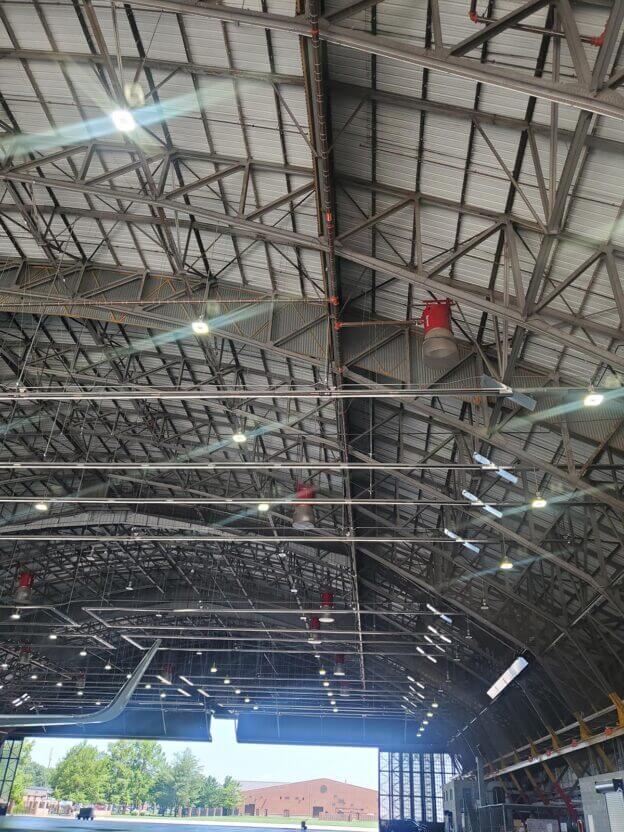
- Firefighting foam (AFFF) used at airports and military bases.
- Industrial metal plating and surface treatments.
- Cleaning products and lubricants.
These chemicals can leach into air, soil, and water during manufacturing, use, or disposal, leading to widespread PFAS contamination in both urban and rural environments.
Why PFAS Are a Concern
Persistence and Bioaccumulation
PFAS do not naturally degrade, meaning they remain in the environment for decades. Once released, they can contaminate groundwater, surface water, and soil, moving easily through ecosystems and accumulating in plants and animals.
Health Effects
Studies have shown that long-term exposure to PFAS may lead to a variety of health concerns , including:
- Increased cholesterol levels
- Liver and thyroid disease
- Immune system suppression
- Developmental issues in infants and children
- Increased risk of kidney and testicular cancer
Because of these potential risks, PFAS are now a major focus for environmental protection and remediation efforts.
How PFAS Enter the Environment
PFAS can enter the environment through several pathways:
- Industrial Discharge: Factories and manufacturing facilities that produce or use PFAS.
- Firefighting Foam Use: Aqueous film-forming foams (AFFF) have been a major source of PFAS contamination.
- Landfills and Wastewater: Disposal of PFAS-containing materials leads to leaching and runoff into groundwater.
- Agricultural Runoff: Application of contaminated biosolids or irrigation with PFAS-affected water.
Once released, PFAS can travel long distances through soil and groundwater, making containment and cleanup especially challenging.
Addressing PFAS Contamination
As awareness grows, federal and state agencies are establishing strict regulations to monitor and reduce PFAS contamination. The EPA’s recent drinking water standards set extremely low limits for common PFAS compounds, reflecting their persistence and toxicity.
AES offers professional PFAS testing, treatment, and remediation services designed to help property owners, municipalities, and industries meet these standards. Our solutions include:
- Comprehensive PFAS testing and analysis for soil and water.
- Advanced treatment technologies such as granular activated carbon (GAC), ion exchange, and reverse osmosis.
- Site-specific remediation strategies for contaminated soil, groundwater, and surface water.
Learn more about PFAS remediation services for businesses in a variety of industries.
Why Choose Advanced Environmental Services
With decades of environmental experience, AES provides trusted expertise, advanced technology, and regulatory knowledge to help clients navigate the complex challenges of PFAS contamination. We serve as a reliable partner from initial testing through full remediation, ensuring compliance and long-term protection.
Frequently Asked Questions About PFAS
Why are PFAS called “forever chemicals”?
Because they are nearly impossible to break down naturally, PFAS persist indefinitely in the environment and the human body.
Can PFAS be removed from drinking water?
Yes. Treatment systems like granular activated carbon, ion exchange, and reverse osmosis are proven to effectively remove PFAS from water supplies.
Are newer PFAS replacements safer?
While some newer PFAS compounds have shorter chains and may behave differently, many still pose environmental and health risks.
Where is PFAS contamination most common?
Sites near manufacturing plants, military bases, airports, or wastewater treatment facilities often show higher PFAS levels due to historical use of firefighting foams and industrial chemicals.
Contact AES to Learn More About PFAS and What They are
PFAS contamination is a growing concern for communities, industries, and property owners alike. Whether you’re seeking information or need testing and cleanup services, AES has the expertise and technology to help.
Contact our environmental remediation company today at (314) 865-2662 or reach out online to schedule a consultation and learn more about how we can help you address PFAS contamination safely and effectively.