Do all basements have mold?
No. A dry, well-ventilated basement can go years without a mold problem. But “no mold at all” is not a realistic goal for any room in your house. EPA says it is impossible to get rid of all mold and mold spores indoors, because some spores float in the air and settle in house dust. The spores are normal. Growth is the problem, and growth needs water.
So the useful question is not “does my basement have mold?” It is “is anything in my basement wet enough for mold to grow?” That question has an answer you can check this week.
Why do basements get mold more than other rooms?
Basements sit below grade, where soil moisture, cool surfaces and weak airflow are common. EPA says mold may begin growing indoors when spores land on wet surfaces, and that none of the many mold types will grow without water or moisture. A basement offers more chances for that to happen than an upstairs bedroom does.
Here are the usual moisture sources:
- Condensation. Warm, humid air meets a cold wall, cold water pipe or cold concrete floor. EPA lists condensation on windows, walls and pipes as a sign of high humidity.
- Water coming in from outside. EPA tells owners to clean and repair roof gutters and to make sure the ground slopes away from the foundation, so water does not collect there.
- Leaks. Plumbing, a water heater, a washing machine hose or a sump pump that quit.
- Stored items. Cardboard, fabric and wood touching a damp floor or wall give mold something to eat.
- Past flooding that never fully dried. A wet carpet pad or wall base can hold water for weeks.
Our guide to mold in a basement covers the cleanup side, and the glossary explains how mold remediation differs from a home cleanup. This post helps you decide whether you have a problem at all.
Where does water get into a St. Louis basement?
Usually through the same few doors: gutters, downspouts, window wells, stairwell drains and the sump pump. The Metropolitan St. Louis Sewer District (MSD) lists each one in its heavy-rain tips for homeowners. Walk the outside of your house before the next storm and check them in this order.
| Spot | What MSD says | What to do |
|---|---|---|
| Gutters and downspouts | Blocked gutters can let rainwater enter a home, and misdirected downspouts can send water toward the structure | Clear leaves. Point each downspout away from the foundation |
| Window wells | If water collects, it presses against the basement window and can seep in or flood the basement | Remove leaves and debris so the well drains |
| Stairwell drain (basement entry) | Water that collects in a stairwell can seep into the home | Keep the drain at the bottom clear |
| Sump pump | The pump’s drain should lead outside, and a backup pump is a good idea | Check the discharge hose and test the pump |
| Yard drainage | Blocked drainage paths slow runoff from your property | Remove yard debris and loose items from the path |
None of this is mold work. It is the water work that decides whether mold ever starts. A basement that stays dry through a hard rain rarely needs a remediation crew.
What does normal look like, and what means trouble?
A basement is likely fine when the air feels dry, nothing smells musty, and no surface is stained, fuzzy or damp. A basement likely has a problem when you can see growth, smell mold, or find damp materials. EPA says to suspect hidden mold when a building smells moldy but you cannot see the source.
| What you notice | What it likely means | What to do |
|---|---|---|
| Faint “basement smell” that goes away with a fan or dehumidifier | Humidity is high but nothing is growing yet | Lower humidity. Watch it for two weeks |
| Condensation on cold pipes or windows | Humidity is too high | Insulate cold pipes, run a dehumidifier, vent dryers outside |
| Musty smell that does not go away, no visible mold | Possible hidden mold | Check behind stored items and along the base of walls. Call a professional if it persists |
| Fuzzy or discolored patch smaller than about 10 square feet | Active growth on a small area | Fix the water source first. EPA says most small areas can be handled by the owner |
| Growth over about 10 square feet, or after a flood | Larger problem | Hire an experienced professional |
| Any growth after sewage or contaminated water | Health risk beyond mold | Call a professional. Do not clean it yourself |
Where does hidden basement mold live?
Behind and under things you cannot see. EPA names the back side of drywall, wallpaper and paneling, the top side of ceiling tiles, and the underside of carpets and pads. In a basement, add the wall base behind a water heater or furnace, the bottom of a finished wall, and the area behind stored boxes.
If you smell mold and find nothing, check these spots with a flashlight. Look for stains, warping or peeling paint. Do not tear into a wall you suspect is moldy without a plan. EPA says porous materials such as ceiling tile and carpet may have to be thrown away if they become moldy.
What humidity should my basement stay under?
EPA says to keep indoor humidity below 60 percent if possible, and ideally between 30 and 50 percent relative humidity. You measure this with a humidity meter. EPA puts the price of a moisture or humidity meter at about $10 to $50 at many hardware stores.
Put the meter in the lowest part of the basement and read it for two weeks, including a few humid days. Do not judge your basement from one dry spring morning. If the number stays above 60 percent, a dehumidifier sized for the space is the next step.
Do I need a mold test for my basement?
Usually not. EPA says that in most cases, if visible mold growth is present, sampling is unnecessary. EPA also says no federal limits exist for mold or mold spores, so a test cannot tell you whether a basement “passes.”
Sampling can help in specific cases: when you cannot find the moisture source, when health concerns exist, or when someone needs to confirm that cleanup worked. The result is only useful if a professional designs the sampling and reads it. A cheap kit that says “mold found” tells you nothing new, because spores are everywhere. For more on this decision, see our mold inspection page and the glossary entry for mold spores.
What can I do this week to protect my basement?
Do these in order. Each step costs little, and the first two matter most.
- Dry anything wet within 24 to 48 hours. EPA says that if wet or damp materials are dried 24 to 48 hours after a leak or spill, in most cases mold will not grow.
- Fix the source. Patch the leak, clear the gutter, extend the downspout, or regrade the soil so water flows away from the wall.
- Measure humidity and bring it under 60 percent.
- Lift stored items off the floor and away from exterior walls. Replace cardboard with plastic bins.
- Insulate cold water pipes if you see condensation on them.
- Look behind and under things. Check behind furniture, under carpet edges and along the bottom of drywall.
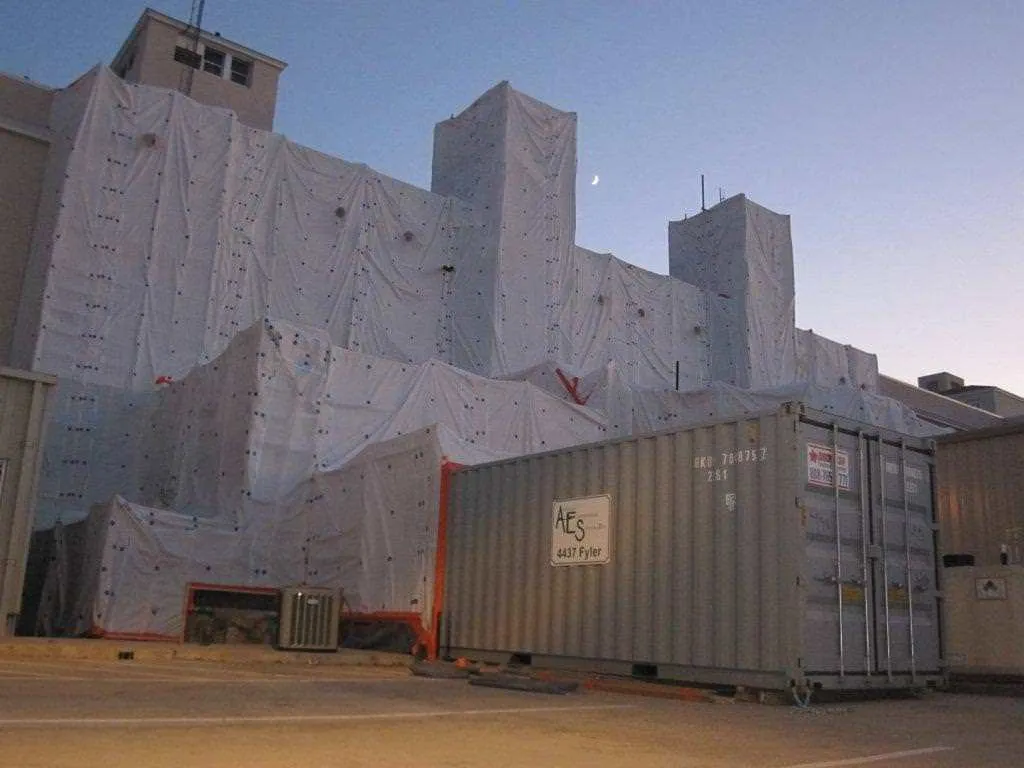
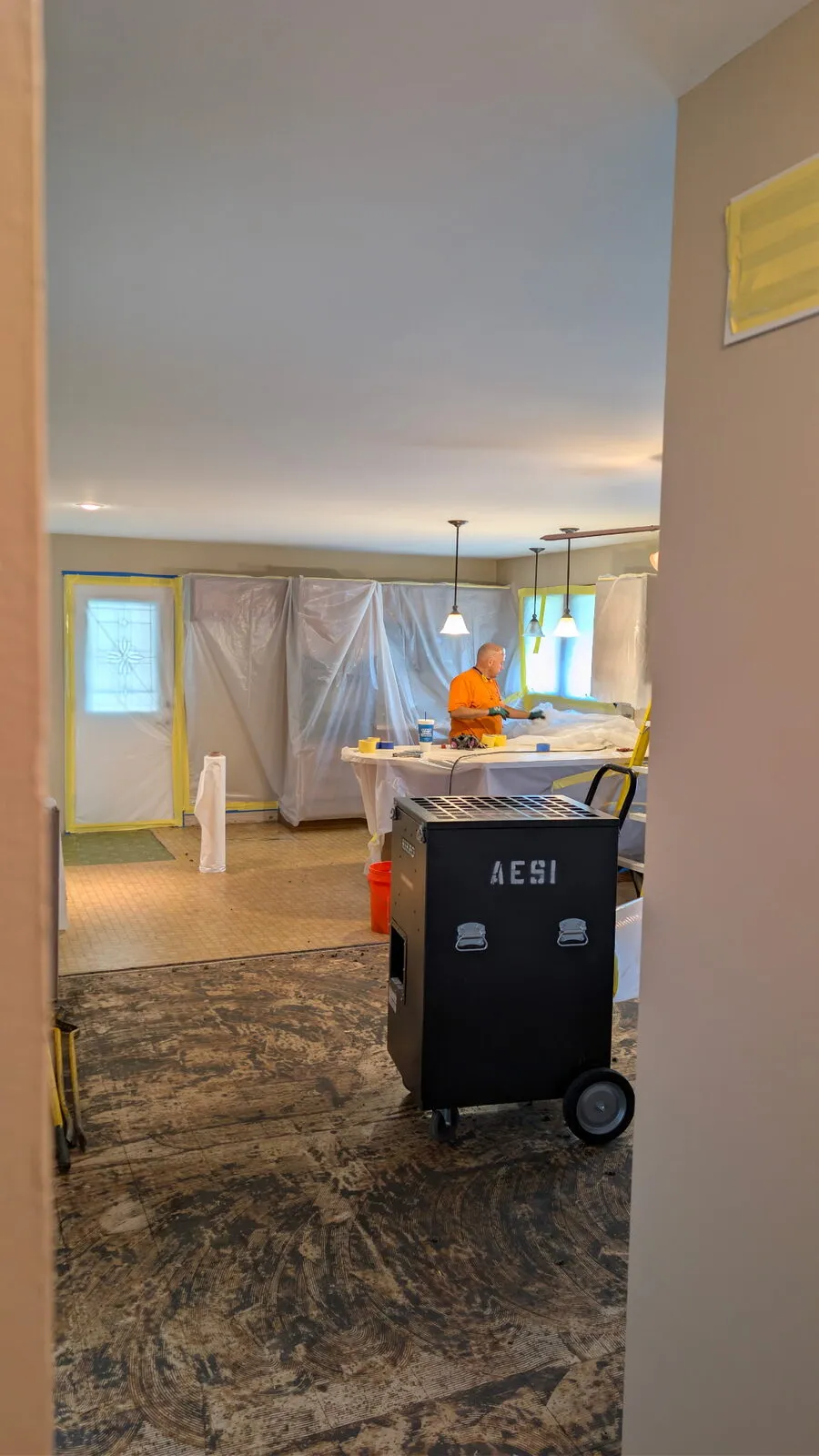
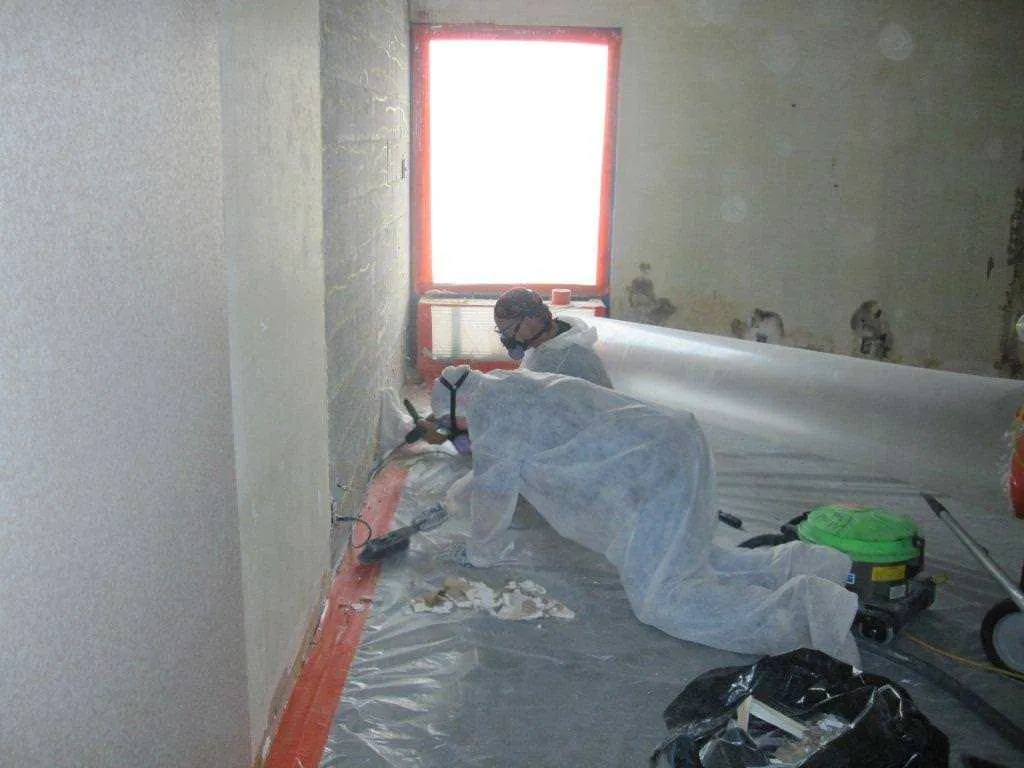
A professional job uses containment and a HEPA filter to keep spores from spreading. A coat of paint is not a fix. EPA says not to paint or caulk moldy surfaces, because paint over mold is likely to peel. And cleaning without fixing the water source means the mold will most likely return.
When should I call a professional?
Call when the problem is bigger than a small, clearly visible patch. EPA says you can in most cases handle an area under about 10 square feet yourself. Above that, or when there has been a lot of water damage, it points you to its professional guidance and says to pick a contractor with mold experience. Sewage or other contaminated water is always a job for someone experienced with it.
Call also when:
- The smell is strong but you cannot find the source.
- Mold returns after you fixed what you thought was the leak.
- Someone in the house has asthma, allergies or another health concern. EPA says to talk to a health professional before you start cleanup.
- The HVAC system may be involved. EPA says not to run an HVAC system you know or suspect has mold.
Our article on mold over 10 square feet explains the size rule in more detail, and the mold after water damage guide covers flood and leak cases.
Next step
If your basement has visible mold, a persistent musty smell or damp materials you cannot dry, call Advanced Environmental Services at (314) 865-2662 or use the contact form. See our mold remediation page for how we handle it.
Frequently asked questions
Is a musty smell in my basement always mold?
Not always, but treat it as a warning. EPA says you may suspect hidden mold if a building smells moldy and you cannot see the source. Check for leaks, condensation and damp materials first. If the smell stays after you dry the area, have a professional look behind walls and under flooring.
What humidity level should a basement stay under?
EPA says that if possible, keep indoor humidity below 60 percent, ideally between 30 and 50 percent relative humidity. A humidity meter costs about $10 to $50 according to EPA. Read it in the basement itself, because basements are often damper than the floors above.
Do I need a mold test for my basement?
Usually no. EPA says that in most cases, if visible mold growth is present, sampling is unnecessary, and no federal limits exist for mold or mold spores. Sampling can help when the source is unclear or health concerns exist. Fixing the moisture matters more than a test result.
How much basement mold can I clean myself?
EPA says that if the moldy area is less than about 10 square feet, roughly a 3 foot by 3 foot patch, you can in most cases handle the job yourself. Larger areas, a lot of water damage, or sewage call for an experienced professional.
Will mold come back after I clean it?
Most likely yes if the water problem stays. EPA says that if you clean up the mold but do not fix the water problem, the mold problem will most likely come back. Find the leak, seepage or condensation source before you scrub anything.
What should I check in a St. Louis basement before it rains?
The Metropolitan St. Louis Sewer District tells owners to clear gutters, point downspouts away from the house, clean window wells and stairwell drains, and run the sump pump discharge outside rather than to a basement drain. Water that stays out of the basement cannot feed mold.
Terms on this page
Sources
- U.S. EPA: A Brief Guide to Mold, Moisture and Your Home (spores)
- U.S. EPA: A Brief Guide to Mold, Moisture and Your Home (no water, no growth)
- U.S. EPA: A Brief Guide to Mold, Moisture and Your Home (humidity)
- U.S. EPA: A Brief Guide to Mold, Moisture and Your Home (drying)
- U.S. EPA: A Brief Guide to Mold, Moisture and Your Home (hidden mold)
- U.S. EPA: A Brief Guide to Mold, Moisture and Your Home (where mold hides)
- U.S. EPA: A Brief Guide to Mold, Moisture and Your Home (sampling)
- U.S. EPA: A Brief Guide to Mold, Moisture and Your Home (size)
- U.S. EPA: A Brief Guide to Mold, Moisture and Your Home (porous materials)
- U.S. EPA: A Brief Guide to Mold, Moisture and Your Home (recurrence)
- Metropolitan St. Louis Sewer District: Tips to Protect Homes During Heavy Rainfall (window wells)
- Metropolitan St. Louis Sewer District: Tips to Protect Homes During Heavy Rainfall (sump pumps)
Written by Advanced Environmental Services and checked against the sources above on June 15, 2026. Rules change, so check the linked page before you act.