How long does mold remediation take?
For most average homes, 1 to 5 days. That is Advanced Environmental Services’ own statement: “1 to 5 days is the normal timeframe expected to complete most average jobs.” It comes with the price range AES publishes for a home that shows visible signs of mold. A big area, hidden mold or a water problem that is not fixed can push a job past that range.
The days on the job are only part of the timeline. The full path also includes finding the water source, getting a written scope, and a recheck after the work. The sections below walk through each piece so you can plan around it.
What happens on each day of a mold job?
The steps run in a set order, because skipping ahead causes mold to spread or return. EPA’s remediation guidance lists the same core sequence: identify the water or moisture source, plan the work, protect workers and occupants, contain the area, clean and dry moldy materials, discard what cannot be cleaned, then check that mold and moisture do not return.
| Stage | What happens | Why it affects time |
|---|---|---|
| Assess | Find the size of the problem and the materials involved | A bigger area means more days in the plan |
| Fix the source | Stop the leak, seepage or condensation | EPA says the job is not finished until this is fixed |
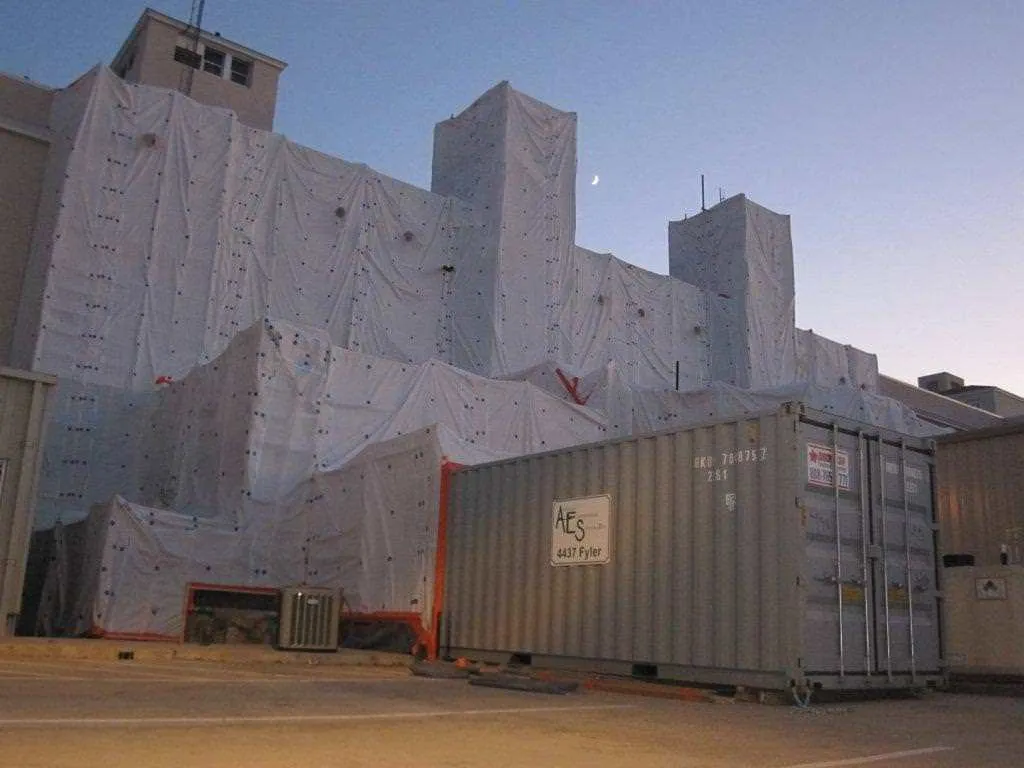
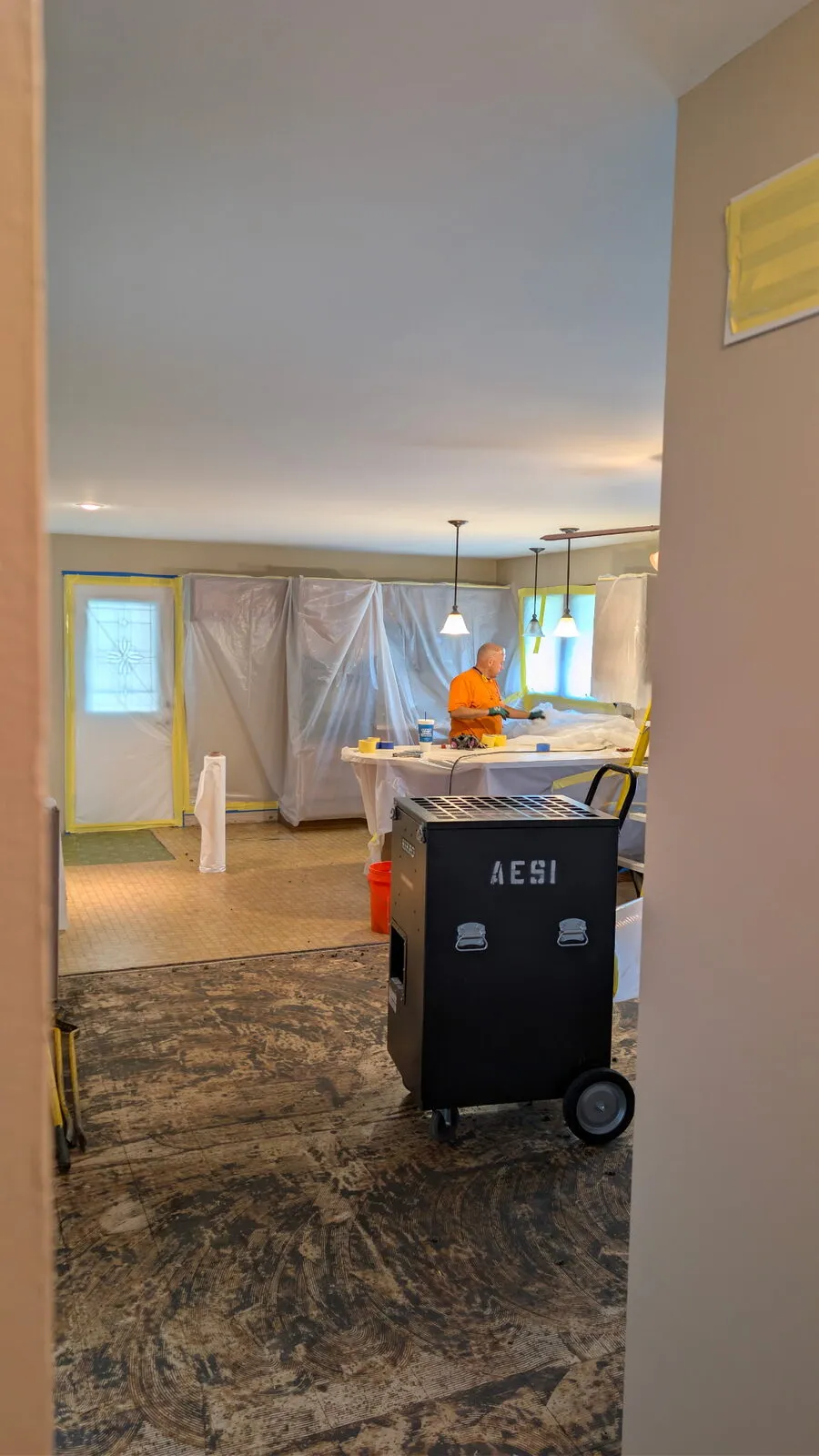
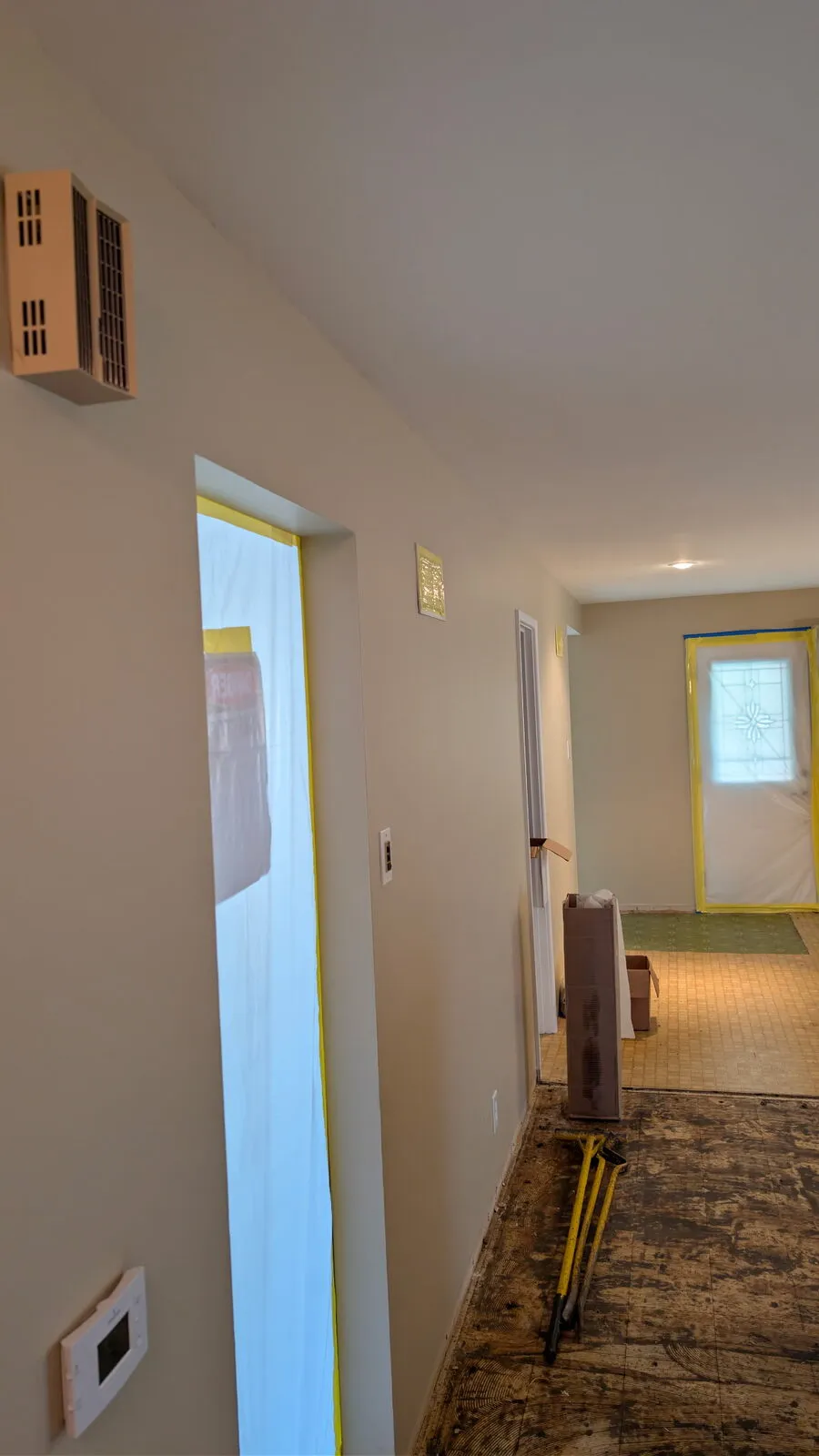
| Contain | Seal the work area with plastic and keep air moving out | Larger areas need more containment (see below) |
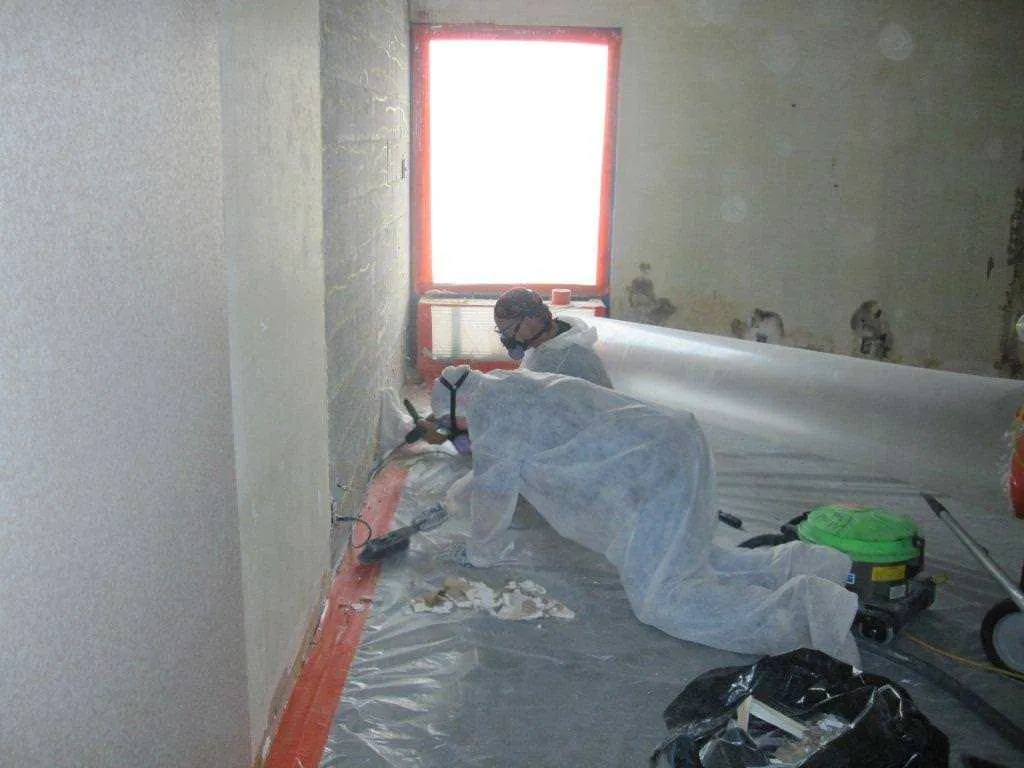
| Remove and clean | Take out materials that cannot be cleaned. Clean the ones that can | Porous items like carpet and ceiling tile are often discarded |
| Dry | Dry cleaned and nearby materials completely | Wet materials left in place can grow mold again |
| Recheck | Look for mold, odor and moisture shortly after the work | EPA says the area should show no signs of water damage or mold |
AES does not publish a day-by-day schedule, so this table is the general order, not a promise of timing for any one stage. Your written quote should list the stages that apply to your property.
Why do other companies list more than 5 days?
They split the job into more stages and count each one. COIT, a mold remediation provider, publishes a stage list with a day range for each step. AES does not publish a per-stage schedule, so this table shows another company’s numbers for comparison only.
| COIT stage | COIT’s days |
|---|---|
| Mold assessment | 1 to 2 days |
| Containment | 1 day |
| Mold removal | 1 to 5 days |
| Cleaning and sanitizing | 1 to 2 days |
| Drying and dehumidifying | 1 to 3 days |
| Restoration (repairs) | Varies |
Added end to end, the timed stages total 5 to 13 days. COIT does not say whether stages overlap on a real job. AES’s 1 to 5 days is its figure for most average jobs. When you compare quotes, ask each contractor what their number includes: assessment, drying, the recheck, repairs, or only the removal work.
What makes a mold job take longer?
Five things add time, and you can ask about each one before you sign.
- Area size. EPA’s guidance sets limited containment for areas between 10 and 100 square feet, and full containment for areas over 100 square feet, or when the occupied space could be contaminated without it. Full containment uses double layers of plastic and an airlock, which takes more setup and takedown. EPA adds that heavy growth in a small area can need more care than light growth in a large one.
- Hidden mold. EPA says that if hidden mold is found, the plan should be revised to account for the total area affected. A wall that looked fine on one side can be covered on the back.
- Material type. Hard surfaces can be cleaned. Porous materials such as carpet and ceiling tile may have to be thrown away, which means more removal and replacement.
- Water source. If the leak is not fixed, the job cannot finish. If a roofer, plumber or drainage contractor must come first, the mold schedule waits for them.
- Drying time. Wet framing or concrete can take longer to dry than the surface mold takes to clean.
Mold also does damage while it waits. EPA says the longer mold grows, the more damage it can cause. That is a reason to book the assessment early, even if the work itself is scheduled later.
Does the 1 to 5 days include repairs and rebuild?
The AES statement covers the timeframe to complete “most average jobs.” It does not say whether plumbing, roofing, drywall, paint or flooring replacement is included. Treat those as separate until your quote says otherwise.
Ask these four questions before you approve the work:
- Does the quote include fixing the water source, or only the mold work?
- Who removes and replaces drywall, trim and flooring?
- How many days will the containment be up in my home?
- What happens if you find more mold behind the wall?
Our mold remediation cost and timeline guide goes deeper on comparing quotes, and our mold remediation costs page explains what drives the price.
When can I use the space again?
When the work is finished and checked. EPA lists the signs: the water or moisture problem is fixed, visible mold and moldy odors are gone, a recheck shortly after remediation shows no water damage or mold growth, and people can use the space without health complaints or physical symptoms. EPA calls this ultimately a judgment call and says there is no easy answer.
EPA also says surface sampling may be useful to determine whether an area has been adequately cleaned. A professional who knows how to design and read the samples should do it. Ask your contractor whether they plan a check after the work and what it includes. Our mold inspection page explains what an inspection covers.
Whether you can stay home during the work depends on the job. EPA says that in some cases, especially large areas, the plan may include temporary relocation of some or all occupants. Factors it names are the size and type of area, reported health effects, risks from debris and how much the work will disrupt the building. For a small job in a basement with a sealed door, many people stay. For a whole-floor job, expect to plan somewhere else for some of the days. EPA says the containment area must stay under negative pressure, so ask your contractor to explain the air path before work begins.
If the mold may have reached the heating and cooling system, do not run it. EPA says running an HVAC system you know or suspect has mold can spread it through the building.
How much does it cost, and how does time tie in?
AES says prices typically range between $1500 to $10,000 for a home which is showing visible signs of mold. Price and time rise together, because a bigger area and more containment mean more labor days. The range depends on the severity of the problem, the materials affected and the size of the contaminated area. AES quotes each job; call (314) 865-2662 or use contact.
Can I speed it up?
You can avoid delays more than you can speed up the work itself.
- Fix or schedule the leak repair before the mold crew arrives.
- Clear the area of furniture and stored items, or agree who will move them.
- Do not wipe or scrub the mold first. AES says mold can spread quite rapidly if you clean the area improperly or disrupt it by rubbing it, and that wiping it with bleach turns it white rather than killing it.
- Give access to attics, crawl spaces, basements and utility areas on day one.
- Decide quickly on materials the crew finds are not salvageable.
If you are not sure the problem needs a crew, start with our post on whether all basements have mold and the rule in mold over 10 square feet. Related terms are explained in the glossary: mold remediation, containment and HEPA filter.
Next step
If you have visible mold and want a scope and schedule for your property, call Advanced Environmental Services at (314) 865-2662 or use the contact form. Our mold remediation page explains the service.
Frequently asked questions
How long does mold remediation take for an average home?
AES says 1 to 5 days is the normal timeframe expected to complete most average jobs. That is AES's own figure for typical work, not a promise for every house. Your quote should state the scope, the area affected and the expected days for your property.
Does the 1 to 5 days include fixing the leak?
AES does not say. EPA says you must completely fix the water or moisture problem before cleanup can be considered finished, so ask your contractor in writing whether plumbing, roof or drainage repair is part of the quote, who does it, and when it happens.
Why does hidden mold add time?
EPA says that if you discover hidden mold, you should revise your remediation plan to account for the total area affected. Opening a wall to find the full extent changes the area, the containment and the materials that must be removed, which can add days.
Can I stay in the house during remediation?
It depends on the job. EPA says the plan for larger jobs may include temporarily relocating some or all occupants, based on the size of the area, reported health effects, debris risks and disruption. Ask your contractor how containment will separate your living space.
How do I know the work is actually finished?
EPA lists these signs: the water problem is fixed, visible mold and moldy odors are gone, a recheck shortly after shows no water damage or mold growth, and people can use the space without health complaints. EPA calls it ultimately a judgment call.
Why do some companies list more than 5 days?
They count more steps. COIT, a mold remediation provider, lists assessment at 1 to 2 days, removal at 1 to 5 days and drying at 1 to 3 days as separate stages. AES's 1 to 5 days covers most average jobs. Ask each contractor which steps their number includes.
Terms on this page
Sources
- Advanced Environmental Services: Mold Remediation FAQs (timeframe)
- Advanced Environmental Services: Mold Remediation FAQs (price)
- Advanced Environmental Services: Mold Remediation FAQs (spread)
- U.S. EPA: Mold Remediation in Schools and Commercial Buildings, Chapter 3 (limited containment)
- U.S. EPA: Mold Remediation in Schools and Commercial Buildings, Chapter 3 (full containment)
- U.S. EPA: Mold Remediation in Schools and Commercial Buildings, Chapter 3 (negative pressure)
- U.S. EPA: Mold Remediation in Schools and Commercial Buildings, Chapter 3 (hidden mold)
- U.S. EPA: Mold Remediation in Schools and Commercial Buildings, Chapter 3 (finish)
- U.S. EPA: Mold Remediation in Schools and Commercial Buildings, Chapter 3 (relocation)
- U.S. EPA: Mold Remediation in Schools and Commercial Buildings, Chapter 3 (water problem)
- U.S. EPA: A Brief Guide to Mold, Moisture and Your Home (damage over time)
- U.S. EPA: A Brief Guide to Mold, Moisture and Your Home (HVAC)
- U.S. EPA: A Brief Guide to Mold, Moisture and Your Home (checking cleanup)
- COIT: How Long Does Mold Remediation Take? (assessment)
- COIT: How Long Does Mold Remediation Take? (removal)
- COIT: How Long Does Mold Remediation Take? (drying)
Written by Advanced Environmental Services and checked against the sources above on June 17, 2026. Rules change, so check the linked page before you act.