
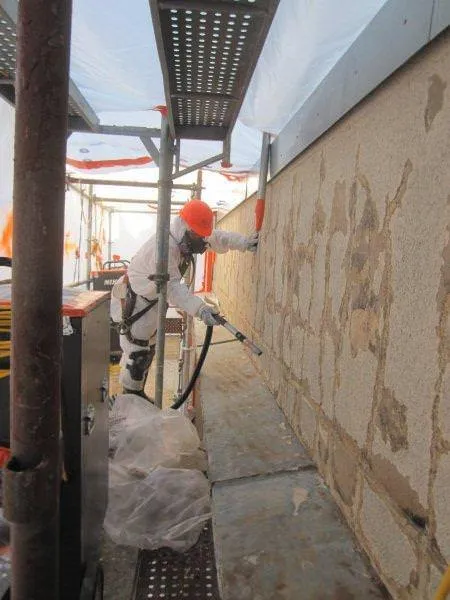
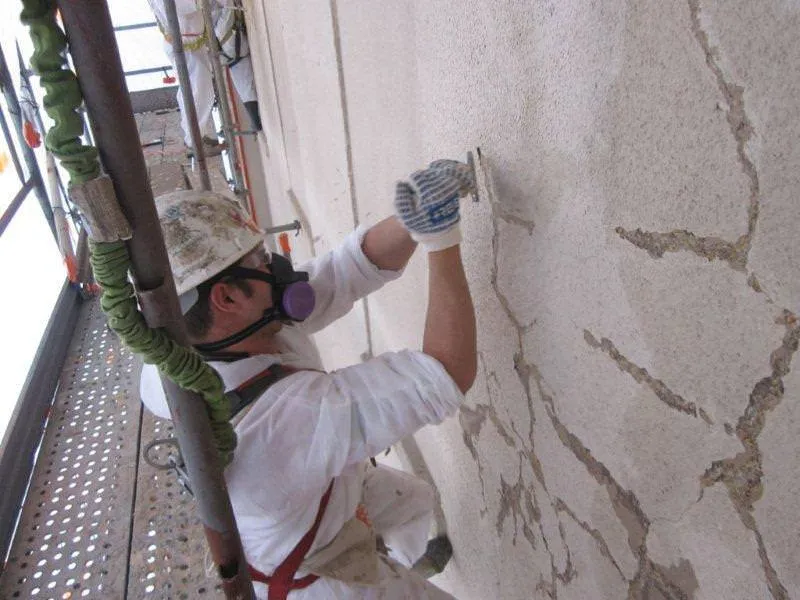

What is the difference between a lead inspection and a risk assessment?
A lead inspection finds lead-based paint. A risk assessment finds lead hazards. EPA says an inspection tells you if a building has lead-based paint and where it is, but it will not tell you whether the building currently has lead hazards or how to deal with them. A risk assessment covers paint, dust, and soil, and tells you what to do.
Think of it as “what is it?” versus “is it hurting anyone, and what now?” Many homeowners book the wrong one. This post shows how to pick, what each report contains, and what St. Louis residents can use for free.
Our lead abatement page covers removal and control work after you have results.
How do the two compare side by side?
The scope differs, and that is what you pay for. This post gives no price, because AES does not publish one for these visits. Use the table to see how the two differ and where a combined visit fits.
| Lead inspection | Risk assessment | Combined | |
|---|---|---|---|
| Question it answers | Is there lead-based paint, and where? | Are there lead hazards in paint, dust, or soil, and what should I do? | Both questions |
| What the professional does | Surface-by-surface investigation | On-site investigation of the presence, type, severity, and location of hazards | Both |
| Who can do it | Certified inspectors or risk assessors | Certified risk assessors only | Certified risk assessors |
| Best when | Buying, renting, or renovating; you need a map of where the paint is | A child has been exposed, deteriorating paint, or you need hazard control advice | You want the full picture in one visit |
| What you get | Written report | Written report with suggested controls | Written report |
Ask each firm what the report will include before you hire. If a firm quotes you a combined visit, ask whether the person on site is a certified risk assessor, since EPA says risk assessments can be legally performed only by certified risk assessors.
Which one do I need?
It depends on your goal. Use this short guide.
- Buying a house built before 1978. Start with an inspection or a combined visit. EPA says an inspection is particularly helpful in determining whether lead-based paint is present before purchasing, renting, or renovating.
- Young children live in the house and paint is chipping. Ask for a risk assessment. EPA says risk assessments are particularly helpful in determining sources of current exposure and designing solutions.
- You are about to remodel. An inspection tells you which surfaces carry lead-based paint. That drives your plan for safe work. See the RRP rule for the contractor requirements.
- A local agency or a doctor raised a lead concern. Call the agency first and ask what they require.
- You only want to know if one painted surface is lead paint. A single swab or chip is not the same as an inspection. Our post on how to tell if paint has lead explains the options, and DHSS says paint chip sampling in Missouri must be done by a licensed inspector or risk assessor.
EPA also says the only way to know for certain whether a building has lead-based paint or lead hazards is to have it tested. It adds that homes with lead-based paint in good condition are generally not a hazard. So the goal is to learn the condition of the paint, not to assume the worst.
How common is lead paint in St. Louis homes?
Very common in older housing. EPA says approximately three-quarters of the homes in the United States built before 1978 still contain some lead-based paint. The City and County have many homes from before that year, so your odds are higher than in newer suburbs. Our guide to lead paint in pre-1978 homes gives the local picture, and the lead-based paint glossary entry defines the term.
An XRF analyzer is the handheld tool inspectors often use to read paint without cutting into it. Ask the professional which method they use and why.
Do I have a right to test a house before I buy it?
Yes. Under the federal Lead-Based Paint Disclosure Rule, a seller of most housing built before 1978 must provide homebuyers a 10-day period to conduct a paint inspection or risk assessment, unless buyer and seller agree in writing to a different period, or the buyer waives it in writing. The rule also requires sellers to give you a pamphlet and disclose known lead information before you sign.
Check your contract for how the period is written and when it starts. If young children will live in a pre-1978 house, use the time to test.
Who can legally do the work in Missouri?
Certified professionals. EPA says inspections can be legally performed only by certified inspectors or risk assessors, and risk assessments only by certified risk assessors. In Missouri, the Department of Health and Senior Services licenses lead inspectors, risk assessors, abatement supervisors, workers, and project designers. DHSS also says paint chip sampling must be done by a licensed lead-based paint inspector or risk assessor.
Ask for the license and check it before you hire. Our post on the Missouri lead abatement license explains how licensing works for abatement itself.
Are there free options in the City of St. Louis?
Yes, for some homes. The City says inspections are performed on residential City properties free of charge where children under six or a pregnant woman reside. You can request one online or call the City’s CSB at 622-4800. If your home does not meet that test, use a private inspector or risk assessor. Our guide to lead help in St. Louis lists more local help.
What if I rent or own a rental?
The disclosure rule covers renters too. EPA says that before a renter signs a lease, sellers, landlords, real estate agents, and property managers must give the renter the lead pamphlet and disclose known information about lead-based paint and hazards. They must also provide all available records and reports on lead-based paint in the housing.
If you plan to do the work yourself, read can I remove lead paint myself in Missouri first. If you are a landlord, gather any past inspection or risk assessment reports now, since you must provide the available ones. If you are a tenant, ask for them. Our guide to mold in St. Louis rentals shows how to put a request in writing, which works for lead records too.
What should I ask before I book?
Ask these five questions and write down the answers:
- Are you licensed in Missouri as a lead inspector, a risk assessor, or both?
- Which one do you recommend for my goal, and why?
- How do you test paint, and will you test dust and soil?
- What will the written report include, and how soon will I get it?
- If the report finds hazards, do you also do the control work, or do you refer it?
The last question matters because the person who finds the hazard and the person who fixes it are often different firms. That is normal. Just know who does what before you sign.
What happens after the report?
The report tells you what comes next. If lead-based paint is intact and in good condition, you might manage it in place with regular checks. If there are hazards, a risk assessor can help you choose between abatement and continued maintenance. EPA says if you decide to abate, hire a trained and certified abatement contractor, and that just painting over the paint hazards with regular paint will not permanently address them.
AES does lead abatement. AES quotes each job; call (314) 865-2662 or use /contact.
Next step
If you have a report and need the work done, or you want to talk through which test fits your home, call AES at (314) 865-2662 or use /contact to ask about lead abatement.
Frequently asked questions
What is the difference between a lead inspection and a risk assessment?
EPA says an inspection is a surface-by-surface investigation to find whether lead-based paint is present and where. A risk assessment finds the presence, type, severity, and location of lead-based paint hazards in paint, dust, and soil and suggests ways to control them.
Can I get both in one visit?
Yes. EPA says you can also have a combined inspection and risk assessment. With any of these options, the risk assessor or inspector gives you a written report of findings. Ask the professional which option fits your question before you book.
Do I have a right to test a home I am buying?
Yes. Under the federal Lead-Based Paint Disclosure Rule, sellers of most housing built before 1978 must give homebuyers a 10-day period to conduct a paint inspection or risk assessment, unless buyer and seller agree in writing to a different period, or the buyer waives it in writing. Check your contract for how the period is handled and whether you can change it.
Who can legally do a lead inspection or risk assessment in Missouri?
EPA says inspections can be legally performed only by certified inspectors or risk assessors, and risk assessments only by certified risk assessors. Missouri DHSS licenses lead inspectors and risk assessors, and says paint chip sampling must be done by a licensed inspector or risk assessor.
Does the City of St. Louis offer free lead inspections?
Yes, for some homes. The City says inspections are performed on residential City properties free of charge where children under six or a pregnant woman reside. Request one online or call the City's CSB at 622-4800. Other homes need a private inspector.
Terms on this page
Sources
- 40 CFR 745.110(b): buyer may waive in writing
- 40 CFR 745.110(a): 10-day period unless agreed otherwise in writing
- U.S. EPA: Lead Abatement, Inspection and Risk Assessment, inspection
- U.S. EPA: Lead Abatement, Inspection and Risk Assessment, risk assessment
- U.S. EPA: Lead Abatement, Inspection and Risk Assessment, homes built before 1978
- U.S. EPA: Questions and Answers about Lead Inspections, Risk Assessments and Abatements, who may perform them
- U.S. EPA: Questions and Answers about Lead Inspections, Risk Assessments and Abatements, combined option
- U.S. EPA: Real Estate Disclosures about Potential Lead Hazards
- Missouri DHSS: Lead Licensing
- U.S. EPA: Real Estate Disclosures about Potential Lead Hazards, renters
- City of St. Louis: Lead Inspection and Hazard Control Division
Written by Advanced Environmental Services and checked against the sources above on August 10, 2026. Rules change, so check the linked page before you act.