Can you stay home during mold remediation?
Often yes, when the job is small and the work area is sealed. EPA says a remediation plan for large areas of mold may include moving some or all occupants out for a time. It also calls for a more cautious approach when people with severe allergies or asthma are in the home. Size, location and who lives there decide it.
Missouri’s health department adds a calming point: if you see mold, “you do not have to leave your home or belongings behind or destroy everything in the house.” Seek someone who knows mold. That is the first call, not a move-out.
What does the crew do to keep mold out of the rest of the house?
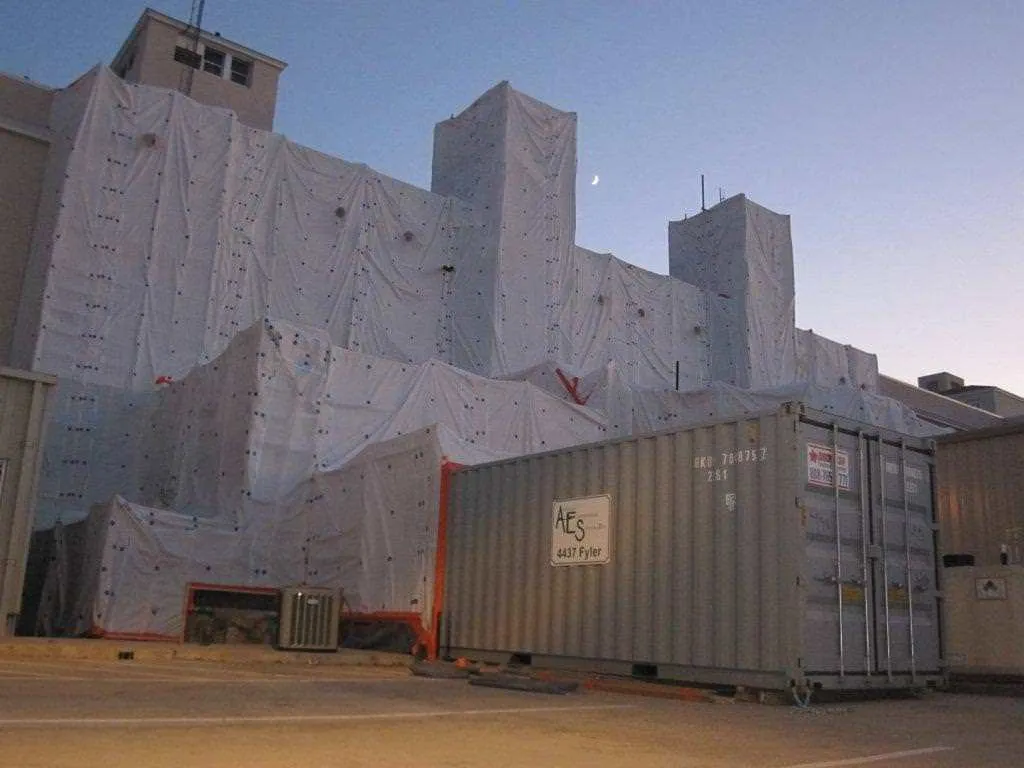
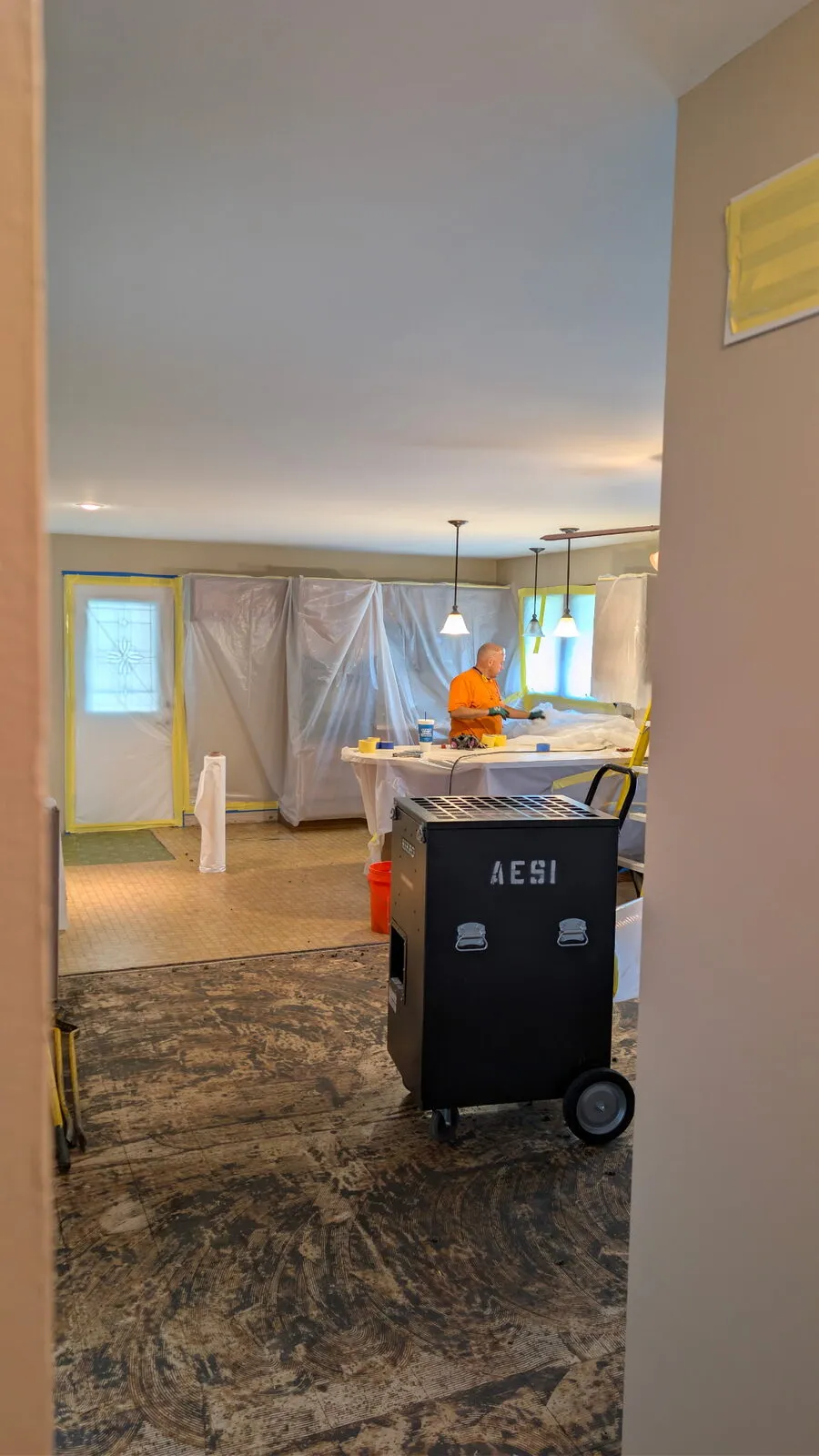
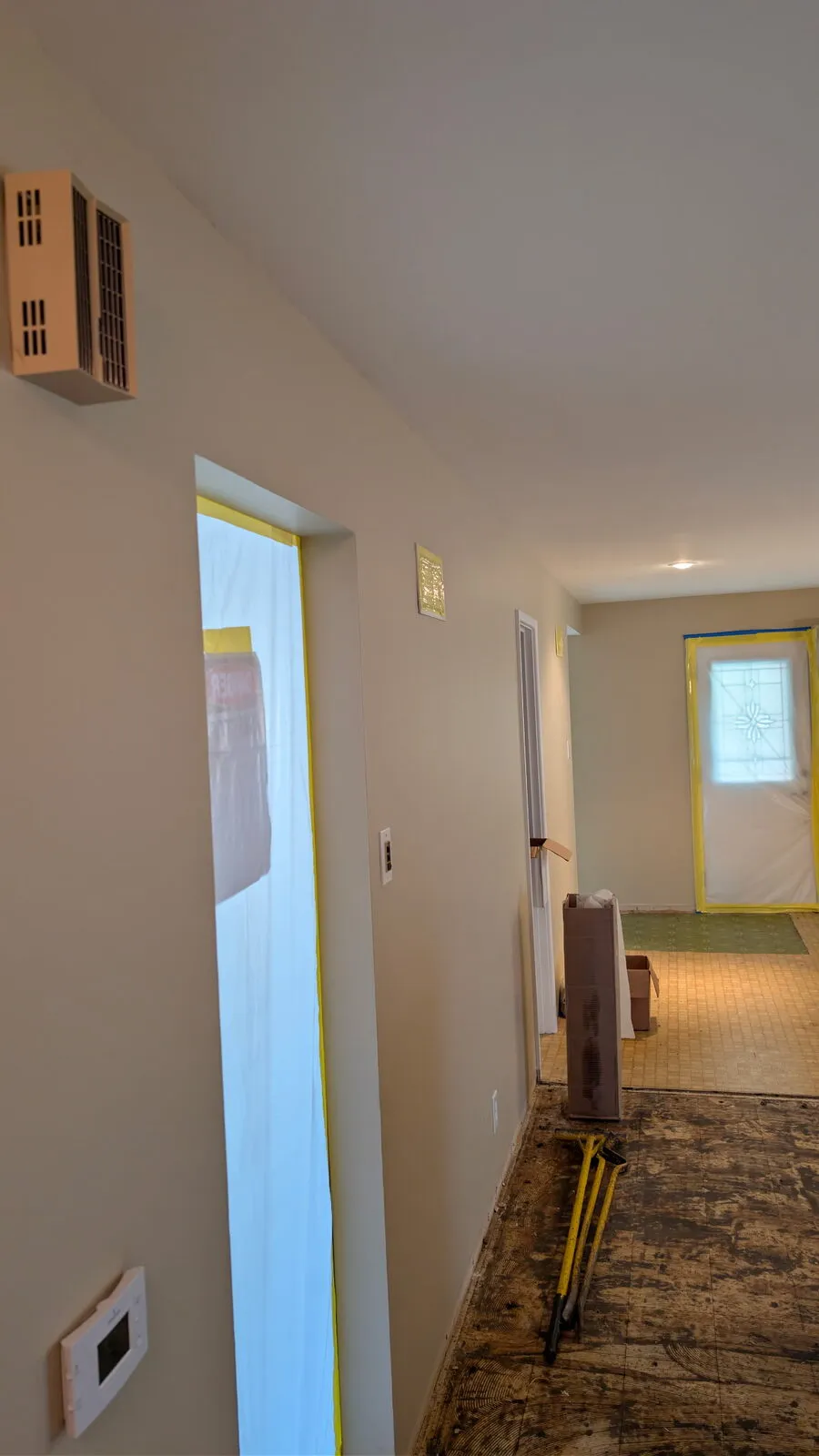
It builds containment. EPA describes two levels in its guide for schools and commercial buildings, and home crews follow the same ideas. Limited containment is generally recommended for areas between 10 and 100 square feet of mold. Full containment is recommended above 100 square feet, or whenever the occupied space could be contaminated without it. The area is kept under negative pressure, so air flows into the work zone, not out of it.
AES describes the same approach on its FAQ page: mold remediation should happen in a confined area that uses negative air flow and commercial grade antimicrobials. Our glossary entries on containment, negative air machines and HEPA filters define the tools.
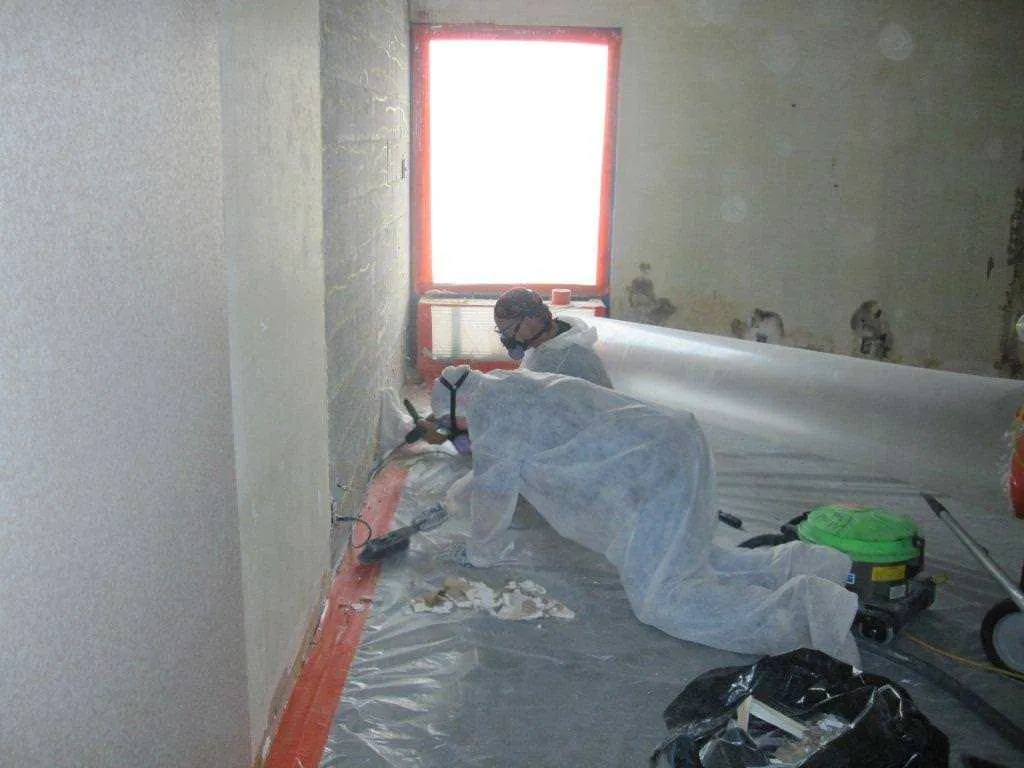
Crews also bag moldy material before it leaves the work area, HEPA vacuum at the end and wipe surfaces. Good containment is what lets a family keep using the rooms outside the plastic.
When should you move out?
Use this table as a planning aid. The EPA points come from its mold guide. The last column is our practical advice. Your contractor’s plan decides.
| Situation | What EPA or Missouri says | Our practical read |
|---|---|---|
| Small patch, under about 10 sq ft | EPA: in most cases you can handle it yourself | Usually stay, if no one has a health concern |
| 10 to 100 sq ft | EPA: limited containment generally recommended | Often stay in rooms outside the plastic |
| Over 100 sq ft | EPA: full containment recommended; relocation may be part of the plan for large areas | Plan to leave for part of the job |
| Sewage or contaminated water | EPA: call a professional with experience in contaminated water | Leave until the contractor says the area is safe |
| Mold in or near the HVAC | EPA: do not run the system if you suspect mold | Ask about heat and cooling, and consider leaving |
| Asthma or severe allergies | EPA: a more cautious approach is indicated | Ask your doctor; many families stay elsewhere |
The 10 square foot line comes from EPA’s cleanup guidance. See our post on mold over 10 square feet for how to measure it.
Should you run the heat and air during the job?
Not if mold may be in the system. EPA says not to run the HVAC system if you know or suspect it is contaminated with mold, because it could spread mold through the building. Tell the contractor if you see mold near a vent, a return or the furnace. Ask the contractor what plan covers heat in winter and cooling in a St. Louis summer.
Do not tape plastic over vents yourself and run the system anyway. Let the crew decide the seal-off plan.
How long are you out of the work area?
AES says 1 to 5 days is the normal timeframe expected to complete most average jobs. Our post on how long mold remediation takes breaks that down. Bigger areas take longer, and so does water damage that must dry first. See our guide to mold remediation cost and timeline and the post on mold after water damage for what pushes a job past five days. AES quotes each job; call (314) 865-2662 or use /contact for a timeline on yours.
EPA also advises scheduling noisy or dusty work for off-hours when occupants are less likely to be affected. In a home, that means asking if the crew can work while you are at your job and your kids are at school.
What should you ask a contractor before deciding?
Ask for answers in writing:
- What size is the mold, and how did you measure it?
- Which level of containment will you use, and where will it go?
- Will you run negative air, and where does it exhaust?
- How will you handle my HVAC system?
- What will you do about the water source, and how will you dry the area?
- How will you check the work before the plastic comes down?
EPA says the key to mold control is moisture control. If the leak stays, the mold returns, whether you stay or leave. Fix or plan to fix the water source as part of the job. Our mold inspection page explains how inspectors find hidden moisture, and the mold remediation FAQs cover other common questions.
What does a day at home look like during the job?
Plan for noise, limited access and a closed-off zone. The crew sets up plastic and equipment first. Workers then remove and bag moldy material, clean with HEPA vacuums and dry the area. EPA warns that actions such as breaking up moldy wallboard, opening wall cavities and using fans to dry items are likely to stir up mold. That is why the plastic and the negative pressure matter.
If you stay, a few habits help:
- Keep doors to the work zone closed, and do not move plastic or tape.
- Use the entrance the crew assigns, so you do not cross the work zone.
- Keep children and pets away from the zone.
- Tell the crew if anyone feels worse, with sneezing, a cough or irritated eyes. Missouri’s health department lists those as common allergy signs, and says to talk to your health care provider if you suspect mold is affecting a family member.
- Keep a spare place to stay in mind. If the plastic fails or the smell spreads, you can leave on short notice.
EPA says that if the containment is working, the plastic should billow inward. If it flutters or billows outward, EPA says containment has been lost and the problem must be corrected before work continues. Ask the crew to show you what working containment looks like on the first day, and tell them if you see the plastic move the wrong way.
What does AES say about staying in the home?
AES says it attempts “to contain hazardous materials to a defined construction area whenever possible so that you may continue partial occupation of a building during remediation or restoration.” That is the goal on every job. Whether it works for yours depends on the size of the mold, where it sits and how the air moves through the house.
EPA also says it is important to communicate with building occupants when mold problems are identified. Ask your contractor for a plain talk before the work starts. You should hear which rooms close, which stay open and what the crew will do if the plan changes.
What if you rent your home in St. Louis?
Tell your landlord in writing and ask who decides on relocation. Missouri’s health department points renters to the Missouri Landlord Tenant Law and to a written complaint to the landlord. If the landlord’s contractor will do the work, ask the same containment and HVAC questions listed above. Our guide to mold in St. Louis rentals lays out the steps in order.
How do you decide in one afternoon?
Work through four questions. Each one maps to a row in the table above.
- How big is the mold, and how was it measured? Over 100 square feet points toward full containment, and EPA says relocation may be part of the plan for large areas.
- Is mold in or near the HVAC, or is the water from sewage? Both point toward leaving.
- Does anyone at home have asthma, severe allergies or another lung or immune concern? Ask the doctor before you stay.
- Can the crew keep a clear path from the front door to the rooms you will use? If not, plan to leave for the days that path is blocked.
If the mold is large, or the answer to question 2 or 3 is yes, ask the contractor to put the relocation advice in writing. If the job is small, the air system is clear, nobody has a health concern and the path is open, staying is a reasonable plan.
What should you do with your belongings?
Move small valuables out of the work zone, and keep clean items sealed in the rooms outside it. EPA says porous items such as carpet or ceiling tiles may have to be thrown away if they become moldy, and that you can consult a specialist for items that are expensive or sentimental. Ask the contractor which items they will clean and which they will bag.
Next step
Wondering if you can stay during your job? Read our mold remediation page, then call (314) 865-2662 or use the contact form. AES quotes each job and will tell you which rooms stay open before work begins.
Frequently asked questions
Is it safe to live in my house during mold remediation?
It can be, if the work area is sealed and the contractor controls dust. EPA says relocation may be part of the plan for large areas of contamination, and that a more cautious approach fits when sensitive people are present. Ask for the containment plan in writing before you decide.
How long does mold remediation take?
AES says 1 to 5 days is the normal timeframe expected to complete most average jobs. Larger areas, hidden mold, water damage that must be dried, or rebuild work can take longer. AES quotes each job; call (314) 865-2662 or use /contact for a timeline on yours.
Should I run my furnace or air conditioner?
Not if mold may be in the system. EPA says do not run the HVAC system if you know or suspect that it is contaminated with mold. Tell your contractor if mold is near a vent or return. Ask what to do about heat and cooling during the job.
Do I have to leave if someone has asthma or allergies?
Ask your doctor and your contractor. EPA lists sensitive individuals, such as those with severe allergies or asthma, as a reason for a more cautious approach. Many families choose to stay elsewhere for the days the work area is open. The choice depends on the person and the size of the job.
Is mold remediation different from cleaning it myself?
For small patches, yes. EPA says that if the moldy area is under about 10 square feet you can usually handle it yourself. Above that, or after a lot of water damage, EPA points to professional remediation guidance. Contained work, HEPA cleanup and drying are what you pay for.
Terms on this page
Sources
- U.S. EPA: Mold Remediation in Schools and Commercial Buildings, Chapter 3, relocation
- U.S. EPA: Mold Remediation in Schools and Commercial Buildings, Chapter 3, sensitive people
- U.S. EPA: Mold Remediation in Schools and Commercial Buildings, Chapter 3, HVAC
- U.S. EPA: Mold Remediation in Schools and Commercial Buildings, Chapter 3, limited containment
- U.S. EPA: Mold Remediation in Schools and Commercial Buildings, Chapter 3, full containment
- U.S. EPA: Mold Remediation in Schools and Commercial Buildings, Chapter 3, negative pressure
- U.S. EPA: Mold Remediation in Schools and Commercial Buildings, Chapter 3, containment lost
- Missouri Department of Health and Senior Services: Mold
- U.S. EPA: Mold Cleanup in Your Home
Written by Advanced Environmental Services and checked against the sources above on July 22, 2026. Rules change, so check the linked page before you act.