
Do I need a mold inspection when buying a house?
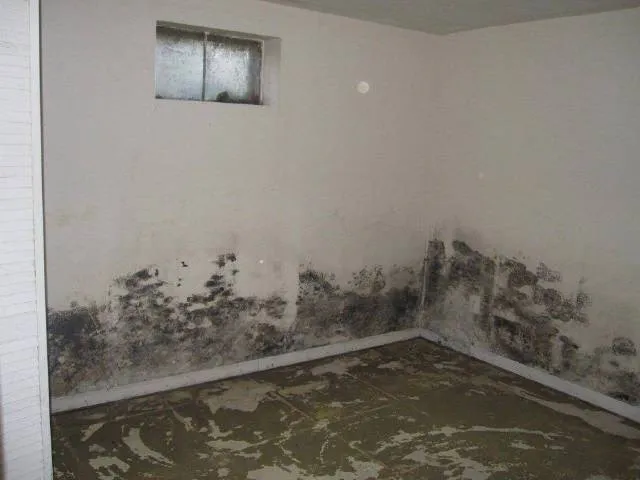
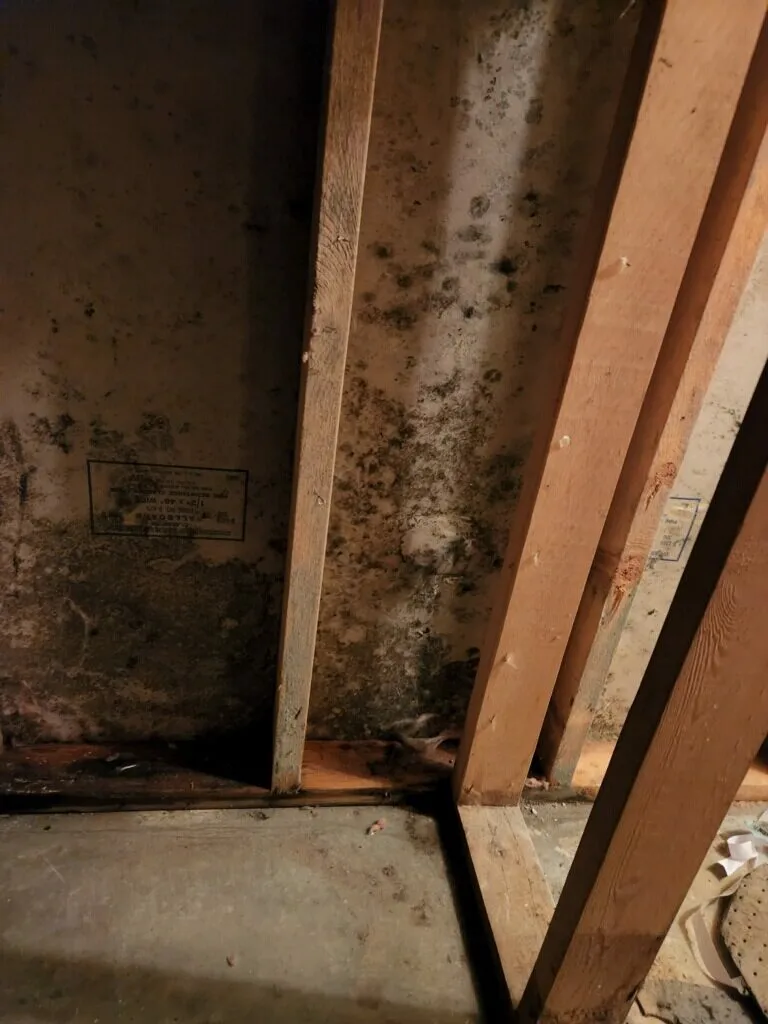
Not by law, but often by sense. Get a separate mold inspection when you see stains, smell mustiness, find a damp basement, or read a seller disclosure that mentions water. A standard home inspection may not test for mold, so do not assume the report covers it.
The reason is simple. Mold grows where water sits. A buyer who skips the question inherits the water problem, the mold, and the repair bill. A buyer who asks it early can negotiate before closing. The Missouri seller disclosure form says the buyer should verify the information and is urged to carefully inspect the property, so the form puts the inspecting on you.
This guide is for buyers in the St. Louis area. It covers what a home inspector checks, what a mold inspector adds, and how to use the results. For the service itself, see our mold inspection page.
Does a regular home inspection check for mold?
Usually not as a test. InterNACHI, a home inspector association, says mold testing falls outside its Residential Standards of Practice. An inspector may still note a stain, a musty smell, or a damp wall. That note is a flag, not a mold finding.
Ask your home inspector three questions before you hire:
- Do you report visible mold and moisture signs?
- Do you carry a moisture meter or thermal camera, and will you use it in the basement and attic?
- If you see a problem, who do you refer me to?
Get the answers in writing. If the answer to the first question is “only if I happen to see it,” plan on a separate mold inspection.
When is a separate mold inspection worth the cost?
It is worth it when the house gives you a reason. A clean, dry, recently updated home with no history of leaks may not need one. A house with warning signs does. Use this table to decide.
| What you see or learn | Mold inspection? | Why |
|---|---|---|
| Brown or yellow ceiling stains | Yes | Past or active roof or plumbing leaks |
| Musty smell in the basement | Yes | Hidden damp areas, often behind finishes |
| Fresh paint or new panels in one area only | Yes | Cover-ups hide stains and growth |
| Seller disclosure reports water or mold | Yes | Ask what was fixed and by whom |
| Visible black or green growth | Treat as a known problem | EPA says sampling is usually unnecessary when mold is visible; get a scope and a source repair |
| Dry, updated home with no leak history | Optional | Rely on the home inspection and ask questions |
| Vacant house with the power or HVAC off | Yes | Nobody has been watching for leaks or damp air |
Basements are the most common place for this question to come up. Our mold in basement page covers that case. Our post on whether all basements have mold explains why a damp basement and a mold problem are not the same thing.
What does a mold inspector actually do?
A mold inspector looks for moisture and growth, then tells you where it is and why. The visit is mostly detective work. The inspector tracks stains, checks humidity with a meter, looks at the attic, crawl space, and basement, and may sample when sampling will answer a question.
Expect a written report with:
- Where moisture or growth was found, with photos
- The likely water source (plumbing, roof, grading, condensation)
- What needs to be fixed first
- A recommended scope of work, if growth is present
The water source matters as much as the growth itself. Cleaning without fixing the leak invites a repeat. See our glossary entries on mold inspection and mold spores.
Should I test the air for mold?
Only if a professional can say what the test will answer. EPA says that in most cases, if visible mold growth is present, sampling is unnecessary. It also says no EPA or other federal limits have been set for mold or mold spores, so a sample cannot show compliance with a federal mold standard.
That does not make testing useless. Sampling can help when you suspect hidden growth you cannot see, or when you want a baseline after cleanup. The point is to ask “what decision will this test change?” before you pay for it. A good inspector will answer that plainly.
What does the Missouri seller disclosure cover?
It asks the seller about mold, asbestos, lead, and water problems, but only what the seller knows. The Missouri Realtors form has mold questions about presence, covering or removal, past testing, and past treatment. It also has basement and crawl space questions about dampness and water leakage.
The form tells you plainly where its limits are. It says that since the disclosures are based on the seller’s knowledge, you cannot be sure there are no problems because the seller is not aware of them. It suggests you condition your offer on professional inspections. Read the answers, then verify them with your own inspection.
Does a St. Louis City inspection cover mold?
No. The City of St. Louis treats 100% of the city as a Housing Conservation District. Residential sales need a Certificate of Inspection, and the City describes the inspection as a basic code check. It states that an inspection does not imply a guarantee or warranty as to the overall condition of the building or its systems.
So a passed City inspection tells you the property met minimum code on that day. It does not tell you the basement is dry. Buyers in the City should still order their own home inspection and, when signs point to moisture, a mold inspection.
When should I book it, and will a lender or insurer care?
Book it inside your inspection period, and book it early. Mold inspectors have their own schedules, and a report that arrives after your deadline gives you no leverage. Ask for the written report in time to send it to your agent with a request.
Lenders and insurers can also care. BPG Inspections, a home inspection company, says some lenders and insurance companies may hesitate to work with properties that have unresolved mold issues. Ask your lender and your insurance agent early whether a mold finding changes anything for this house. That is a question for them, not a rule that applies to every loan or policy.
Use this order:
- Read your contract and mark the inspection deadline.
- Hire the home inspector and ask the three questions above.
- Order the mold inspection the same week if any sign in the table above applies.
- Send the written report to your agent, with photos, before the deadline.
What do I do if the inspection finds mold?
Get a written scope, then decide with your agent how to handle cost and timing. You usually have four paths: ask the seller to have the work done by a qualified company before closing, ask for a credit or price change, pay for the work yourself after closing, or walk away if your contract allows it. Each path has trade-offs, and your agent or a Missouri real estate attorney can explain the contract side.
Keep these points in mind:
- Ask the mold company for a written scope and a stated source repair, not just a cleaning.
- Get the scope before your contract deadlines run out. Check your sale contract for the inspection period.
- Size matters to the plan. Our post on mold over 10 square feet explains EPA’s guidance on when to call a professional. If you wonder whether the work is worth paying for, read is mold remediation worth it.
AES publishes one price range: prices typically range between $1500 to $10,000 for a home which is showing visible signs of mold, and 1 to 5 days is the normal timeframe expected to complete most average jobs. That range is for a home showing visible signs of mold, so it does not set a price for your specific house. AES quotes each job; call (314) 865-2662 or use /contact.
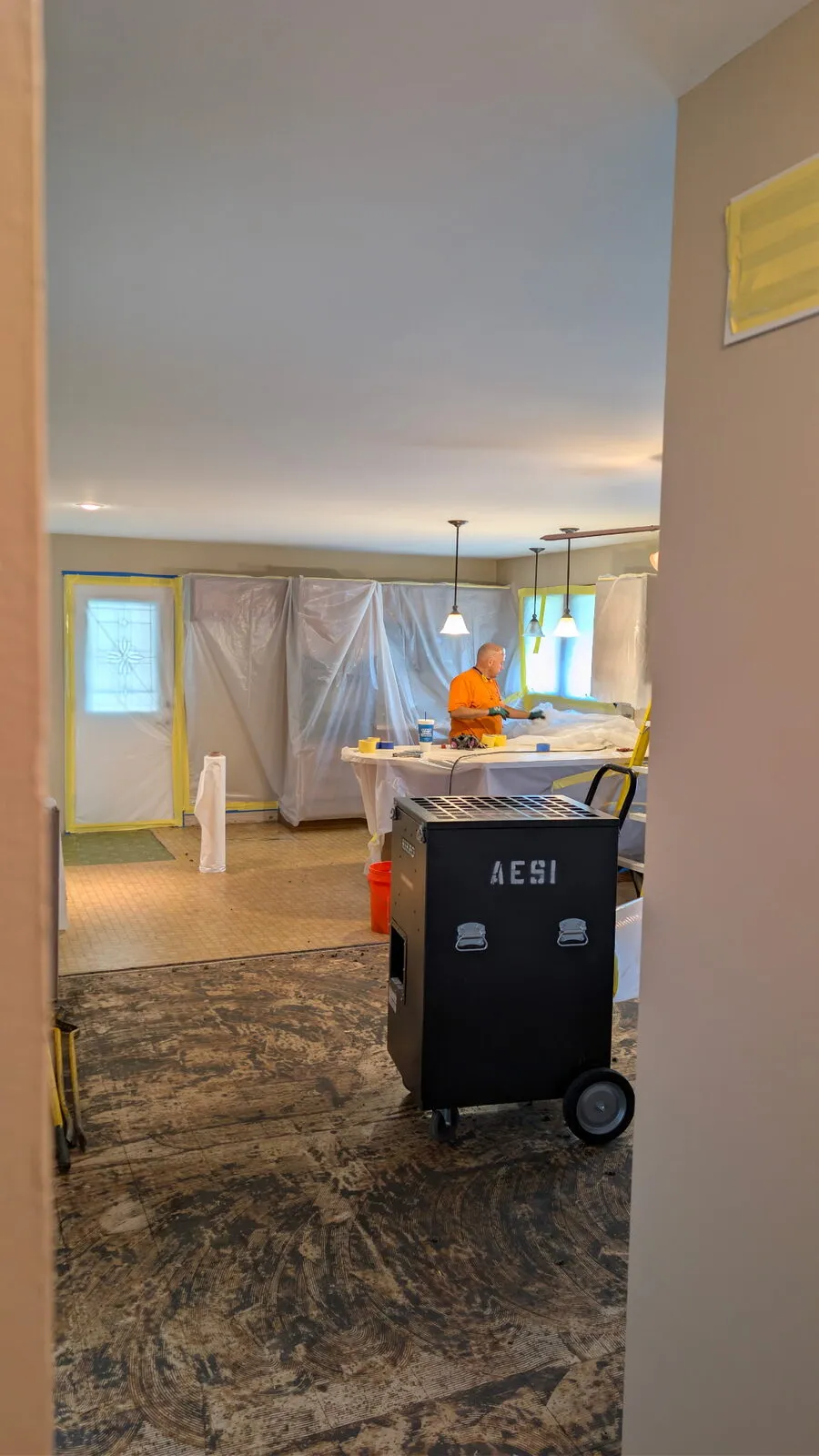
For the cleanup itself, see mold remediation and our guide to mold remediation cost and timeline. You can also read what the glossary says about mold remediation.
Next step
If you are under contract on a house and see signs of moisture, call AES at (314) 865-2662 or send the details through /contact. We can talk through a mold inspection before your contract deadlines pass.
Frequently asked questions
Does a regular home inspection check for mold?
Often not. InterNACHI, a home inspector association, says mold testing falls outside its Residential Standards of Practice. An inspector may note visible mold or moisture signs, but ask in writing what your inspector will and will not check before you hire one.
Should I test the air for mold before I buy?
Usually the visual and moisture work matters more. EPA says no federal limits exist for mold or mold spores, so sampling cannot show compliance with a federal standard. Ask a mold professional whether sampling would answer a real question about this house.
What if the seller says there is no mold?
The Missouri seller disclosure form says the answers are based on the seller's knowledge, so you cannot be sure there are no problems because the seller is not aware of them. The form suggests you condition your offer on professional inspections.
Does a St. Louis City Certificate of Inspection cover mold?
Not as a mold check. The City says its housing inspection is a basic code inspection and does not imply a guarantee or warranty of the overall condition of the building or its systems. Order your own inspection if mold worries you.
What does mold cleanup cost if the inspection finds it?
AES publishes one range: prices typically range between $1500 to $10,000 for a home which is showing visible signs of mold, and 1 to 5 days is the normal timeframe for most average jobs. AES quotes each job. Call (314) 865-2662 or use the contact page.
Terms on this page
Sources
- InterNACHI: Mold Testing for Home Inspectors
- U.S. EPA: A Brief Guide to Mold, Moisture and Your Home, visible mold
- U.S. EPA: A Brief Guide to Mold, Moisture and Your Home, federal limits
- Missouri Realtors: Seller's Disclosure Statement for Residential Property (Form DSC-8000, via eForms)
- City of St. Louis: Residential Occupancy Permit (Housing Conservation Inspection)
- BPG Inspections: Should I Get Mold Testing When Buying a House?, lenders and insurers
- Missouri Realtors: Seller's Disclosure Statement for Residential Property (Form DSC-8000, via eForms), buyer duty
Written by Advanced Environmental Services and checked against the sources above on July 29, 2026. Rules change, so check the linked page before you act.