A mold inspection costs about $300 to $800 for most homes in the sources we read. Redfin reports a national average of $680. Fast Mold Testing reports $450 to $800 for its residential inspections. Wini reports $300 to $400 for homes under 4,000 square feet. And EPA says that in most cases, sampling is unnecessary if you can already see mold.
These are third-party national figures, not AES prices. AES quotes each job; call (314) 865-2662 or use /contact. Below, you will see what the numbers include, when to skip the test, and what to ask before you hire.
What do published mold inspection prices say?
Three sources, three ranges that overlap.
| Source | Price it reports | Conditions the source states |
|---|---|---|
| Redfin | National average of $680 for the inspection | An average, not a St. Louis quote |
| Wini | $300 to $400 for homes under 4,000 sq. ft. | Crawl spaces, attics and extensive sampling can raise the price |
| Fast Mold Testing | $450 to $800 for residential inspections in 2026 | A testing company describing its own market. Home size is “the single largest driver” |
The three sources do not agree, and they should not. Each counts different jobs. A visual-only visit costs less than a visit with lab samples. Use the numbers to spot a quote that is far off, not to predict yours.
How much do mold samples add?
Each sample adds cost, and most inspections include only a few. Fast Mold Testing says individual lab sample fees “range from $75 to $125 per sample in 2026, depending on the lab and sample type (air, swab, tape-lift, bulk).” It also says most professional inspections bundle 2 to 3 samples into a flat-rate package.
So the question is not “what is the price?” It is “what is in the price?” Ask every inspector:
- How many samples are in the quote, and what does one more cost?
- Is the lab fee included?
- Is there an outdoor comparison sample?
- Is a written report with the lab results included?
When you compare quotes, ask what a “sample” and a “test” mean in each one.
How do you compare two mold inspection quotes?
Put the quotes side by side on the same scope. A $350 visit and a $700 visit may not be the same service. Fast Mold Testing says home size is “the single largest driver of inspection price,” and Wini adds that crawl spaces, attics and extensive sampling can raise it.
| Line to compare | Quote A | Quote B | Why it matters |
|---|---|---|---|
| Visual walkthrough and moisture check | Included? | Included? | This is the core of the visit |
| Number of lab samples | How many? | How many? | Extra samples add cost |
| Outdoor comparison sample | Yes or no | Yes or no | It gives the indoor result something to compare to |
| Written report with lab results | Yes or no | Yes or no | You need it for a seller, a landlord or a bid |
| Rush fee | Amount | Amount | Speed costs extra |
| Same company sells cleanup | Yes or no | Yes or no | Ask who checks the scope |
Fill in the table with two phone calls. The cheaper quote wins only if every row matches.
Do you need a mold inspection at all?
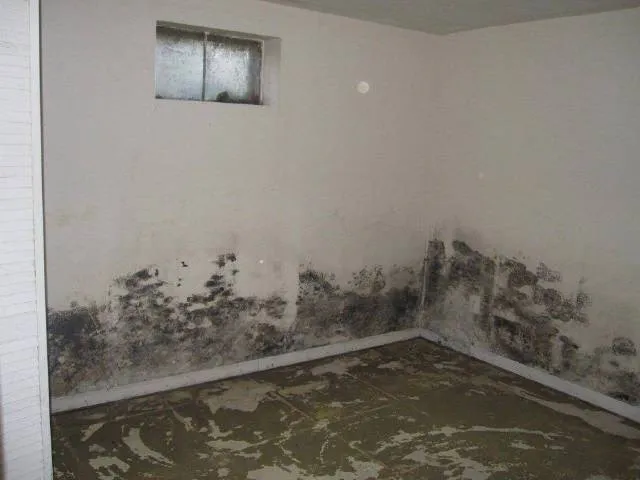
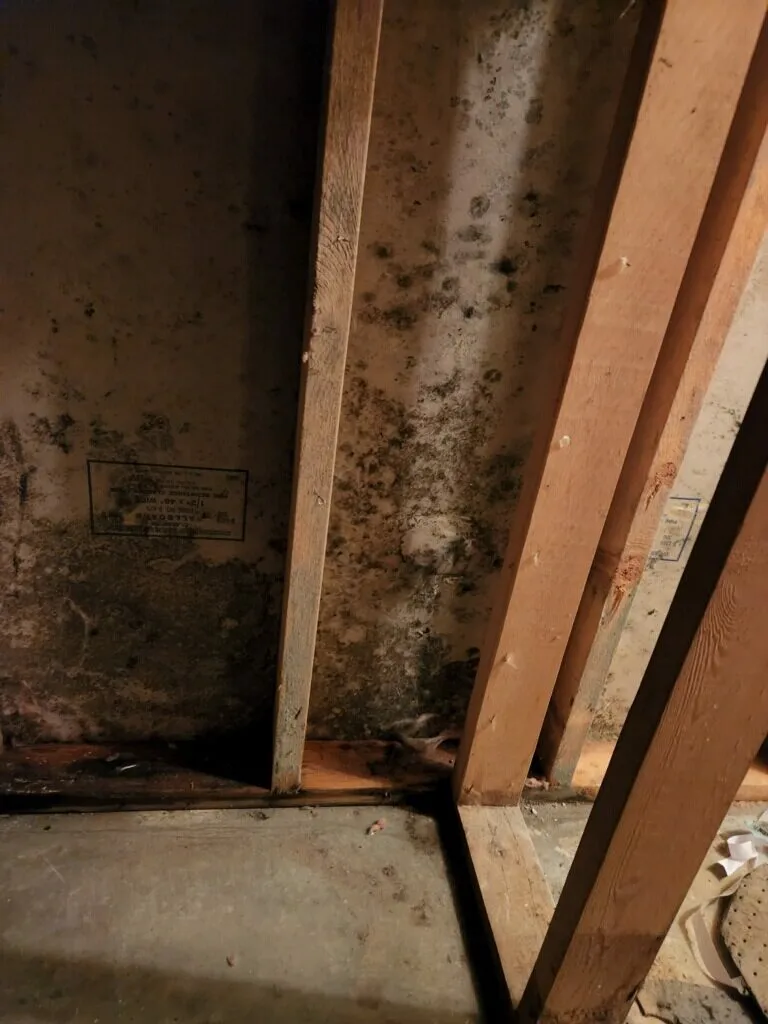
Not always. EPA says: “In most cases, if visible mold growth is present, sampling is unnecessary.” You can see it, so a lab count of spores will not change the next step, which is to find the moisture source and plan cleanup.
EPA does see a use for sampling after the work: surface sampling “may be useful to determine if an area has been adequately cleaned or remediated.” EPA also says no federal limits exist for mold or mold spores. So a sample cannot show that a building meets a federal mold standard.
Use this table to decide.
| Your situation | Inspection helpful? | Why |
|---|---|---|
| You can see mold on walls, ceilings or in a basement | Usually not for testing. Get a cleanup scope | EPA: sampling is unnecessary in most cases when mold is visible |
| Musty smell, no visible mold, after a leak or flood | Yes | An inspector can look for hidden moisture |
| Buying a home with past water damage | Often worth asking | A written report gives you facts before you decide |
| Mold work just finished | Maybe | EPA says surface sampling may show if cleaning was adequate |
| Renter with mold | Start with written notice to the landlord | See the rentals guide below |
If the mold covers a large area, our post on mold over 10 square feet explains why EPA treats big jobs differently. If you are buying a home, our post on whether you need a mold inspection when buying a house covers what a standard home inspection leaves out.
What should a good mold inspection include?
A visual walkthrough, a moisture source check and a plain written report. Wini says a typical inspection “includes a visual assessment of accessible areas, such as walls, ceilings, basements, and crawl spaces,” and that more thorough inspections may add air and surface samples sent to a lab. A report should state:
- Where the moisture is coming from, or that the source is unknown.
- Which areas have visible or suspected mold.
- What was sampled, how many samples, and why.
- The lab’s name and the lab report itself.
- A clear next step: clean, repair, remediate or monitor.
Our mold inspection page describes AES’s service for homes, commercial and industrial buildings. Our glossary explains mold inspection, mold remediation and black mold.
What should you ask before you hire an inspector?
EPA says sampling “should be conducted by professionals who have specific experience in designing mold sampling protocols, sampling methods, and interpreting results.” Use that as your screen.
- What experience do you have designing a sampling plan?
- How many samples are in the price, and what does each extra one cost?
- Which lab do you use, and how fast are results?
- Will I get the lab report and a written explanation?
- If you find mold, will you write a scope someone else can bid?
- Is there a rush fee?
- Do you also sell the cleanup? If so, who checks your scope?
Missouri’s health department says that neither Missouri nor the federal government certifies mold testers. Our post on whether you need a license to remove mold in Missouri cites the state health department on that point. So the questions above matter more here than a license check would.
What does mold cleanup cost after the inspection?
AES publishes one range: “Prices typically range between $1500 to $10,000 for a home which is showing visible signs of mold,” and “1 to 5 days is the normal timeframe expected to complete most average jobs.” That figure is for remediation of a home with visible signs of mold. It is not an inspection fee, and it is not a quote for your building. See the mold remediation FAQs, our guide to mold remediation cost and timeline and our post on whether mold remediation is worth it.
If you are buying or selling, our post on who pays for mold remediation explains why the contract decides.
AES quotes each job; call (314) 865-2662 or use /contact.
Where does St. Louis fit in?
Water is the usual trigger, so start with the moisture. If a basement flooded or a pipe burst, read our guide on mold after water damage, our post on how fast water damage must be dried and our fire and water restoration page. Basement mold is its own problem; see mold in a basement. If you rent, the guide on mold in St. Louis rentals lists who to call.
Next step
If you can see mold or smell it after water damage, start with our mold remediation page, or book an inspection through the mold inspection page. Call (314) 865-2662 or use /contact.
Frequently asked questions
How much does a mold inspection cost?
Redfin reports a national average of $680. Fast Mold Testing, a testing company, reports $450 to $800 in 2026 for its residential inspections. Wini reports homes under 4,000 square feet typically run $300 to $400. Home size, the number of samples and access to hidden areas drive the price. These are national figures, not St. Louis quotes.
Do I need a mold test if I can see mold?
Usually not. EPA says that in most cases, if visible mold growth is present, sampling is unnecessary. Surface sampling may be useful to learn whether an area has been adequately cleaned or remediated. A visual inspection and a written scope for cleanup is often the better first spend.
How much does each mold sample cost?
Fast Mold Testing says individual lab sample fees range from $75 to $125 per sample in 2026, depending on the lab and sample type (air, swab, tape-lift, bulk). It adds that most professional inspections bundle 2 to 3 samples into a flat-rate package. Ask what is in the package and what an extra sample costs.
Who should take mold samples?
EPA says sampling should be done by professionals who have specific experience in designing mold sampling protocols, sampling methods and interpreting results. Ask for the sampling plan in writing, the lab used and how the results will be explained, so you pay for answers and not just numbers.
What does AES charge for mold work?
AES publishes one range: prices typically range between $1500 to $10,000 for a home which is showing visible signs of mold, with 1 to 5 days the normal timeframe for most average jobs. That is for remediation, not an inspection. AES quotes each job; call (314) 865-2662 or use /contact.
Terms on this page
Sources
- Redfin: Home Mold Inspection, how much is it
- Wini: How Much Does a Mold Inspection Cost?
- Wini: How Much Does a Mold Inspection Cost?, factors
- Fast Mold Testing: Mold Inspection Cost
- Fast Mold Testing: Mold Inspection Cost, sample fees
- Fast Mold Testing: Mold Inspection Cost, home size
- U.S. EPA: A Brief Guide to Mold, Moisture and Your Home, sampling
- U.S. EPA: A Brief Guide to Mold, Moisture and Your Home, professionals
- U.S. EPA: A Brief Guide to Mold, Moisture and Your Home, after cleanup
- Wini: How Much Does a Mold Inspection Cost?, what is included
- Missouri Department of Health and Senior Services: Mold, certification
Written by Advanced Environmental Services and checked against the sources above on September 11, 2026. Rules change, so check the linked page before you act.